Types of DC Fuse: 7 High-Performance Options for PV, EV & BESS

All Categories
Types of DC Fuse: Comprehensive Protection for DC Applications

Types of DC Fuse: Comprehensive Protection for DC Applications

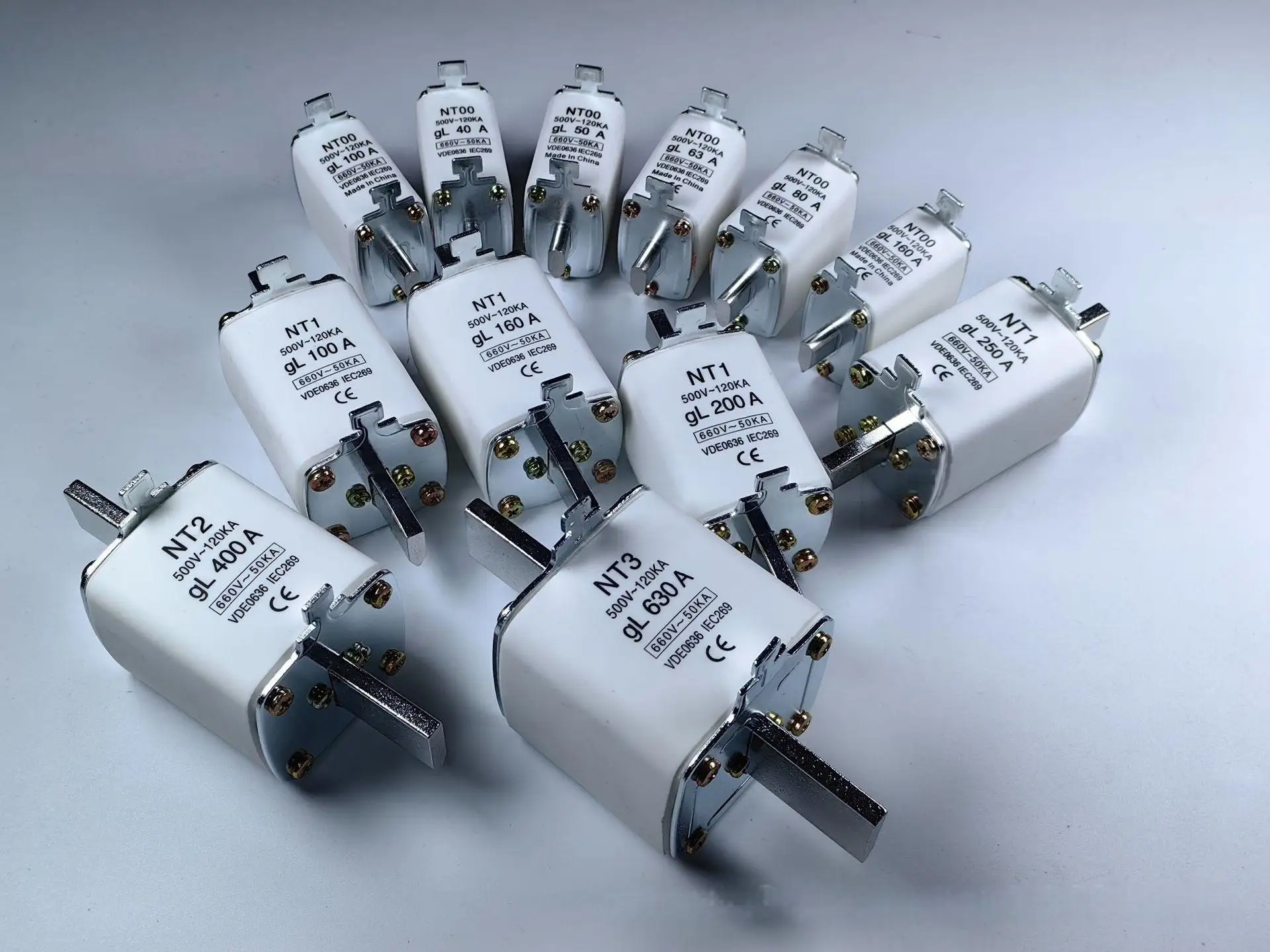
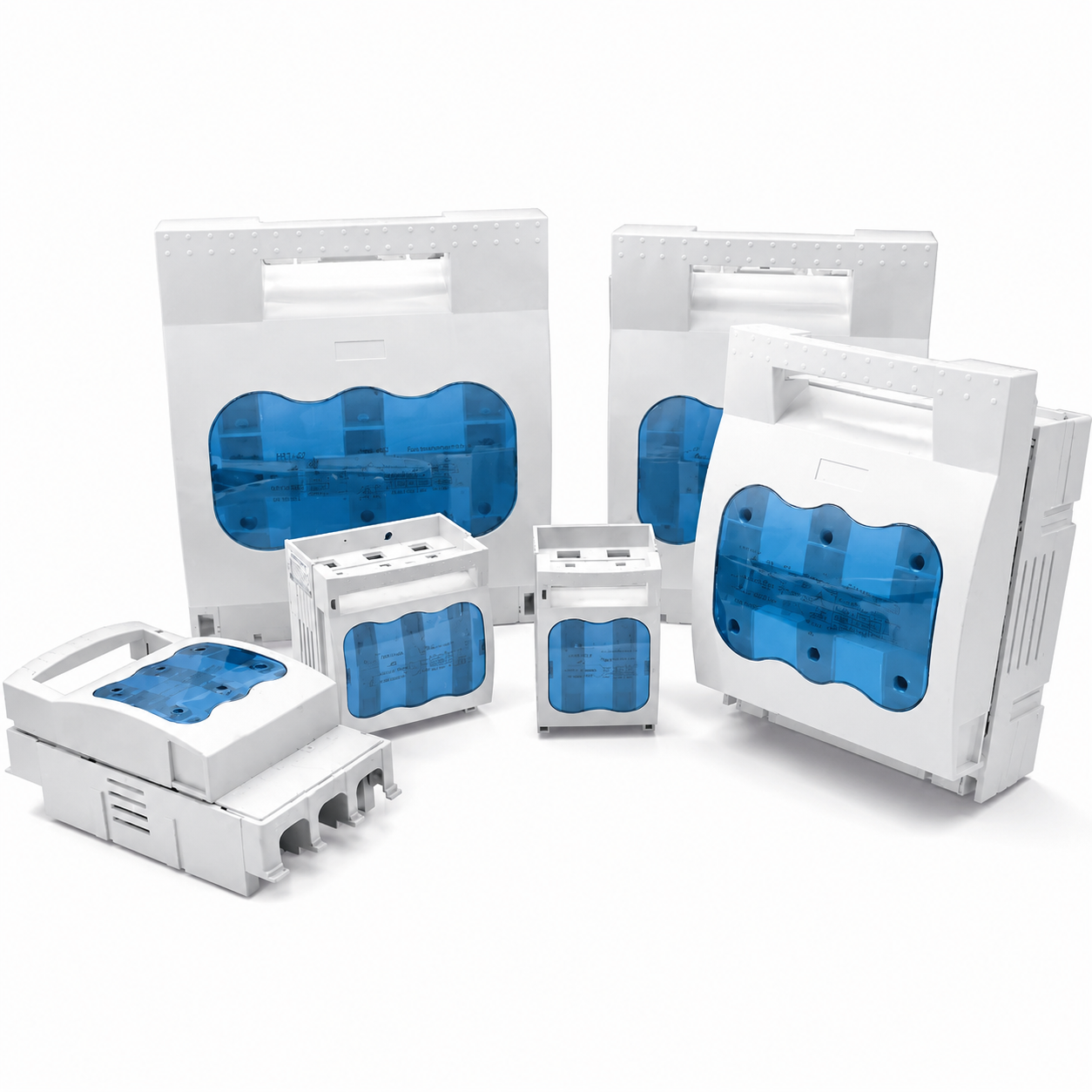
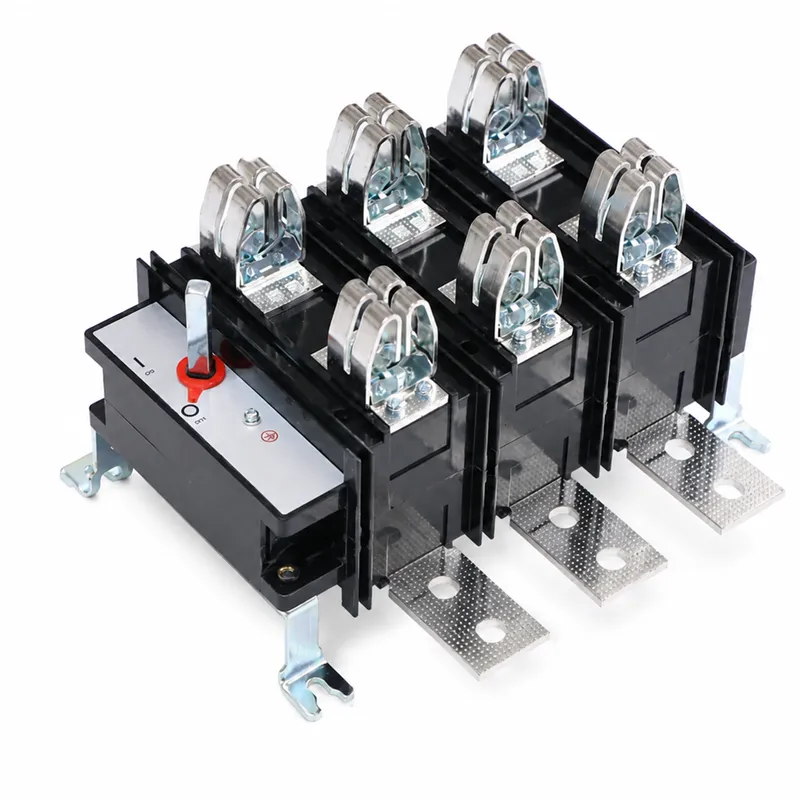
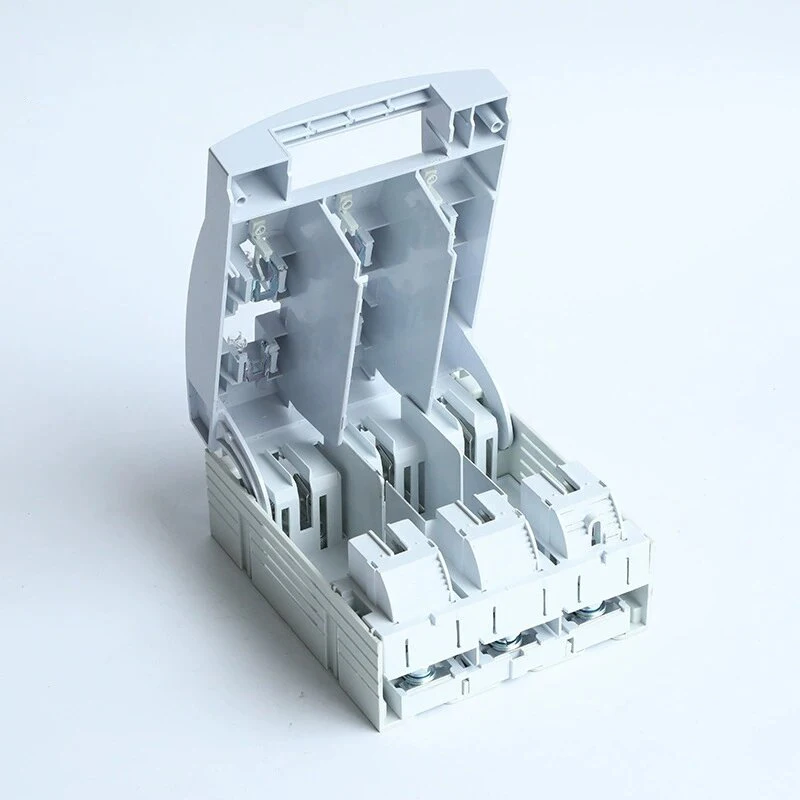
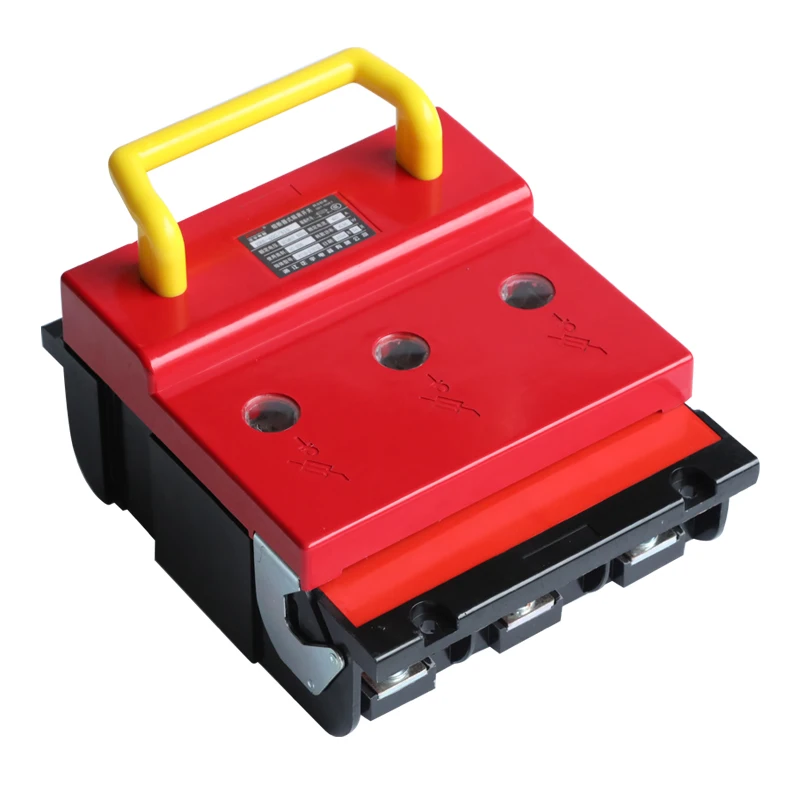
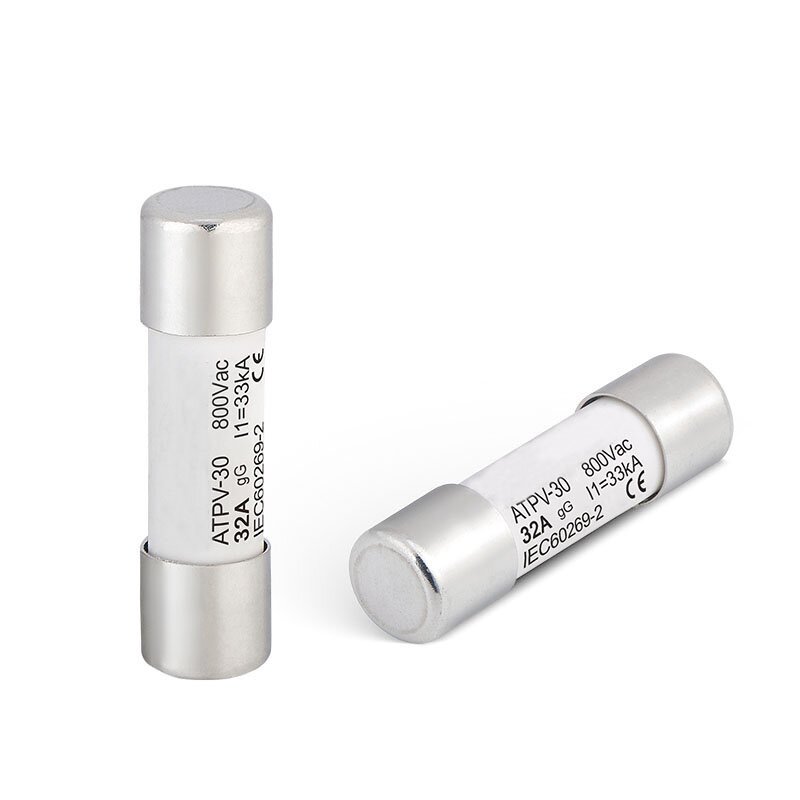
In the realm of direct current (DC) applications, selecting the correct types of DC fuse is critical to ensuring system safety and operational reliability. At ZHNYU ELECTRIC, we offer a diverse range of DC fuses designed for photovoltaic systems, electric vehicle charging stations, energy storage units, and industrial control systems. With over 34 years of manufacturing experience, we have developed fuses that deliver high breaking capacity up to 1000V DC, ensuring rapid fault isolation under extreme conditions. Our fuses are engineered to minimize power loss, with a typical voltage drop improvement of 15% compared to conventional designs. They provide precise overload protection with current ratings from 1A to 1250A, making them suitable for both low-power electronics and high-current industrial applications.
Get A Quote

Case Study

Photovoltaic Plant Overcurrent Protection in Australia

A 100 MW solar power plant in Queensland, Australia faced recurrent fuse failures causing circuit interruption and reduced plant efficiency. Extreme ambient temperatures and midday irradiance fluctuations triggered nuisance trips in standard protective components, accelerating thermal aging. The plant engineers switched to ZHNYU ELECTRIC’s DC fuse types, specifically designed for PV string protection. Featuring high-purity silver melting elements, ceramic housing, and arc-quenching quartz sand, our fuses with a rated voltage of 1000V DC and breaking capacity of 20kA effectively managed overcurrents from panel mismatches and cloud transient surges. Post-installation.

EV Charging Station Reliability in Norway

An electric vehicle charging network operator in Norway needed robust DC fuses to handle high current surges during rapid DC fast-charging sessions. Operating in sub-zero Nordic environments, standard fuses experienced nuisance tripping during cold-start charging spikes. They integrated our NH style DC fuses, rated for 500V DC and 250A, into 500 charging points. Designed with low internal resistance and silver-plated copper contacts, these fuses provided precise thermal protection and reduced nuisance tripping by 60%. Operational efficiency improved, cutting charger downtime from 3 hours per week to 45 minutes. Our durable ceramic construction maintained reliable operation in ambient temperatures as low as -40°C.

Energy Storage System Safety in the United States

A utility-scale battery energy storage system (BESS) in California experienced overheating risks during rapid charge-discharge cycles. To mitigate thermal runaway, the operator selected our high-speed EV fuse types (for DC applications) engineered with a 50kA breaking capacity to isolate battery rack faults. Featuring low power dissipation and precision-calibrated elements, the new fuses isolated faulty cells within 2 milliseconds, preventing heat propagation. Since deployment, zero thermal incidents occurred, and uptime rose to 99.98%, generating $1.5 million in additional annual revenue. The compact housing design optimized physical space, enabling a 20% denser system layout that added 15 MWh of storage capacity.

Related products

ZHNYU ELECTRIC, a manufacturer founded in 1992, has been dedicated to the research, development, and production of low-voltage electrical components, including a comprehensive line of DC fuses. Our expertise in metallurgy and material science enables us to produce fuses that meet the rigorous demands of modern DC systems. The manufacturing journey begins with premium materials: we use high-purity copper or silver for fuse elements to guarantee low resistance and stable melting characteristics. Our state-of-the-art assembly lines feature automated welding and calibration processes, ensuring each fuse meets exact current-time curves. Quality control is paramount; every batch undergoes rigorous testing for current-carrying capacity, breaking capacity.

Frequently Asked Questions

What are the main types of DC fuses available?

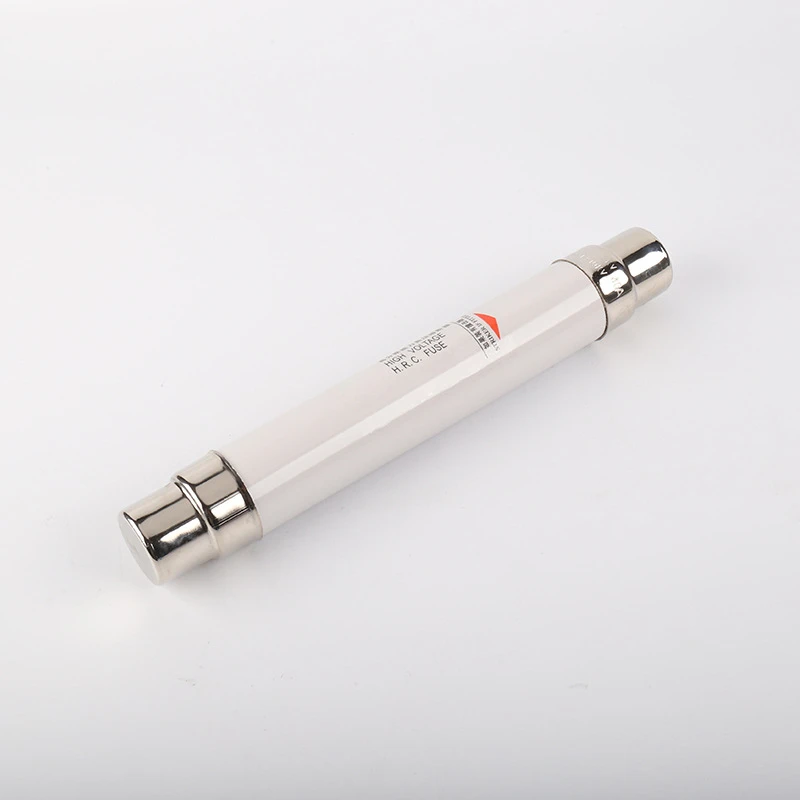
The primary types include fast-acting fuses, which open quickly on overcurrents, suitable for semiconductor protection; slow-blow fuses, which tolerate short inrush currents, ideal for capacitive loads like inverters; and high-voltage DC fuses designed for voltages above 1000V. Within these categories, variations exist based on physical size (e.g., cylindrical, blade, NH), breaking capacity, and current rating. Our catalog offers these types with options for gR (full-range) and aR (partial-range) applications to match your specific system needs.
Selection is based on the system's voltage, expected current, ambient temperature, and fault conditions. Typically, fuse voltage rating must equal or exceed the maximum circuit voltage. Current rating should be at least 1.5 times the normal current to avoid nuisance blows. Additionally, consider the breaking capacity—should be higher than the maximum fault current. For string protection, we recommend using a fuse with a breaking capacity of 10kA to 50kA, depending on your inverter specifications. Consult our technical datasheets for guidance.
AC fuses rely on AC's zero-crossing current to extinguish the arc, while DC fuses must handle a continuous arc with no natural zero-crossing. Therefore, DC fuses require longer bodies, special arc-extinguishing materials, and higher voltage ratings to force arc interruption. This makes DC fuses more expensive and larger. Using an AC fuse in a DC circuit can lead to catastrophic failure as the arc will persist. Our DC fuses incorporate advanced quenching media to safely interrupt DC currents.
High ambient temperatures can reduce the fuse's effective current carrying capacity, possibly causing nuisance openings if the fuse is not derated. For instance, at 50°C, a fuse rated for 25°C may need derating to about 80% of its nominal current. Our product datasheets provide detailed correction factors for temperatures up to 75°C. In extreme cold, the fuse's interruption capability may be slightly enhanced, but some mechanical brittleness can occur; we test our fuses for -40°C operation to guarantee performance.

Related Articles

How to install and replace a fuse safely in live electrical systems?

31

Aug

How to install and replace a fuse safely in live electrical systems?

Can you replace a fuse live? NFPA 70E says no—unless justified & permitted. Learn de-energize-first protocol, PPE requirements, and safe alternatives. Read now.
View More
How does a fuse switch disconnector improve electrical safety in industrial settings?

02

Sep

How does a fuse switch disconnector improve electrical safety in industrial settings?

Discover how an advanced fuse switch disconnector enhances industrial electrical safety through reliable circuit isolation, arc flash protection, and OSHA compliance.
View More
A fuse switch disconnector offers both switching and circuit protection in one device.

12

Sep

A fuse switch disconnector offers both switching and circuit protection in one device.

Need reliable circuit protection AND switching in one device? Fuse switch disconnectors deliver safety, compliance, and space savings. Get expert guidance now.
View More
Why is an isolator switch required in every electrical panel installation?

12

Sep

Why is an isolator switch required in every electrical panel installation?

Need to comply with IEC 61439 & NEC safety standards? Discover the critical role of isolator switches in panel safety, maintenance, and regulatory compliance. Learn more now.
View More

Customer Testimonials

Carlos Fernandez
Reliable Protection for Solar Power Project

We used ZHNYU's DC fuses in a 200 MW solar plant in Spain. Their quality is impeccable; we saw a significant drop in fuse failures. The product specifications were exactly as listed, and the on-time delivery was crucial for our timeline.

Emily Watson
High-Quality Fuses for Busy EV Charging Hub

Our fleet of fast-charging stations needed fuses that could handle heavy daily cycles. ZHNYU's fuses have been robust, with less than 0.2% failure rate across 10,000 installations. The customer support staff were responsive and helped us choose the correct rating, saving us money on unnecessary replacements.

Get a Free Quote

Our representative will contact you soon.
Email
Mobile/WhatsApp
Name
Company Name
Message
0/1000
Advanced Breaking Technology for Maximum Safety

Advanced Breaking Technology for Maximum Safety

Our DC fuses feature an innovative arc-extinguishing system that ensures rapid current interruption even under extreme fault conditions. Leveraging triple-expansion ceramic cores and special silica sand, the fuse achieves an extremely low current-limiting effect. This means that during a short circuit, the fuses limit the peak current to less than 10% of the prospective value, significantly reducing stress on downstream components. In a comparative test against conventional fuses with 500V DC, our fuses interrupted a fault current of 30kA in under 2ms, compared to the industry average of 5ms. This rapid action protects sensitive equipment like IGBT modules, which can be damaged by current flow above a few milliseconds.
Global Compliance and Environmental Responsibility

Global Compliance and Environmental Responsibility

ZHNYU ELECTRIC is dedicated to providing products that not only perform exceptionally but also adhere to the highest international standards. Our DC fuses are UL recognized, complying with UL 248-13, and carry CE marking, ensuring compliance with EU directives. We also hold CCC certification for the Chinese market and follow RoHS regulations, guaranteeing that our products are free from hazardous substances like lead and mercury. Our environmental stewardship extends to production: we operate a zero-waste discharge plant, recycling 95% of industrial waste and recovering process water. Our manufacturing processes are designed to minimize energy consumption, with a 20% reduction in carbon footprint over the past five years thanks to solar panels on our factory roof.