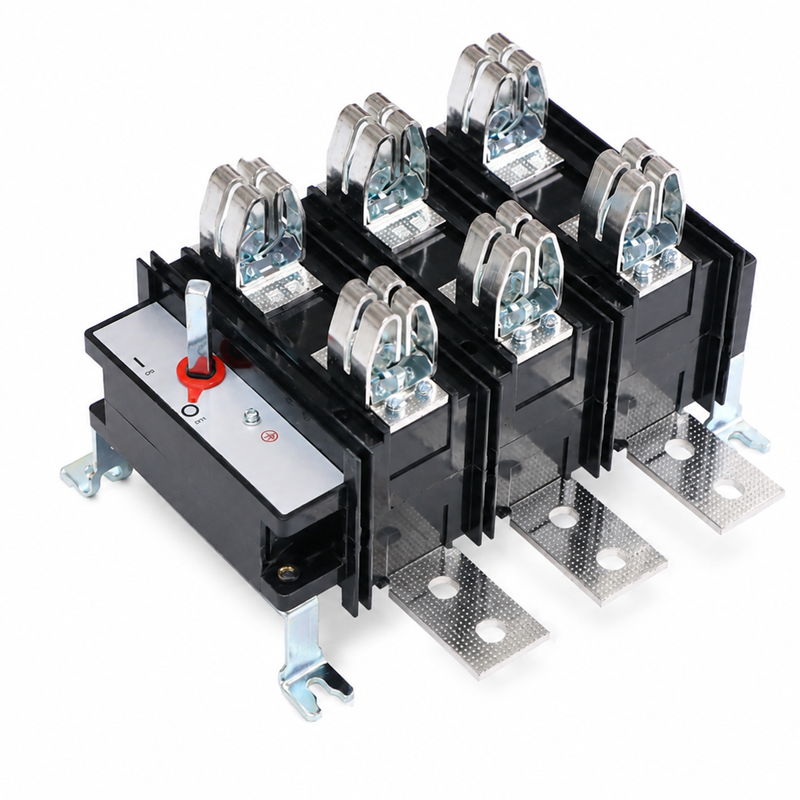
DC Fuse Solutions: 1500V Protection for Solar & Storage

All Categories
Fuse in DC Circuit: Unrivaled Protection for Solar, Storage, and Industrial Applications

Fuse in DC Circuit: Unrivaled Protection for Solar, Storage, and Industrial Applications

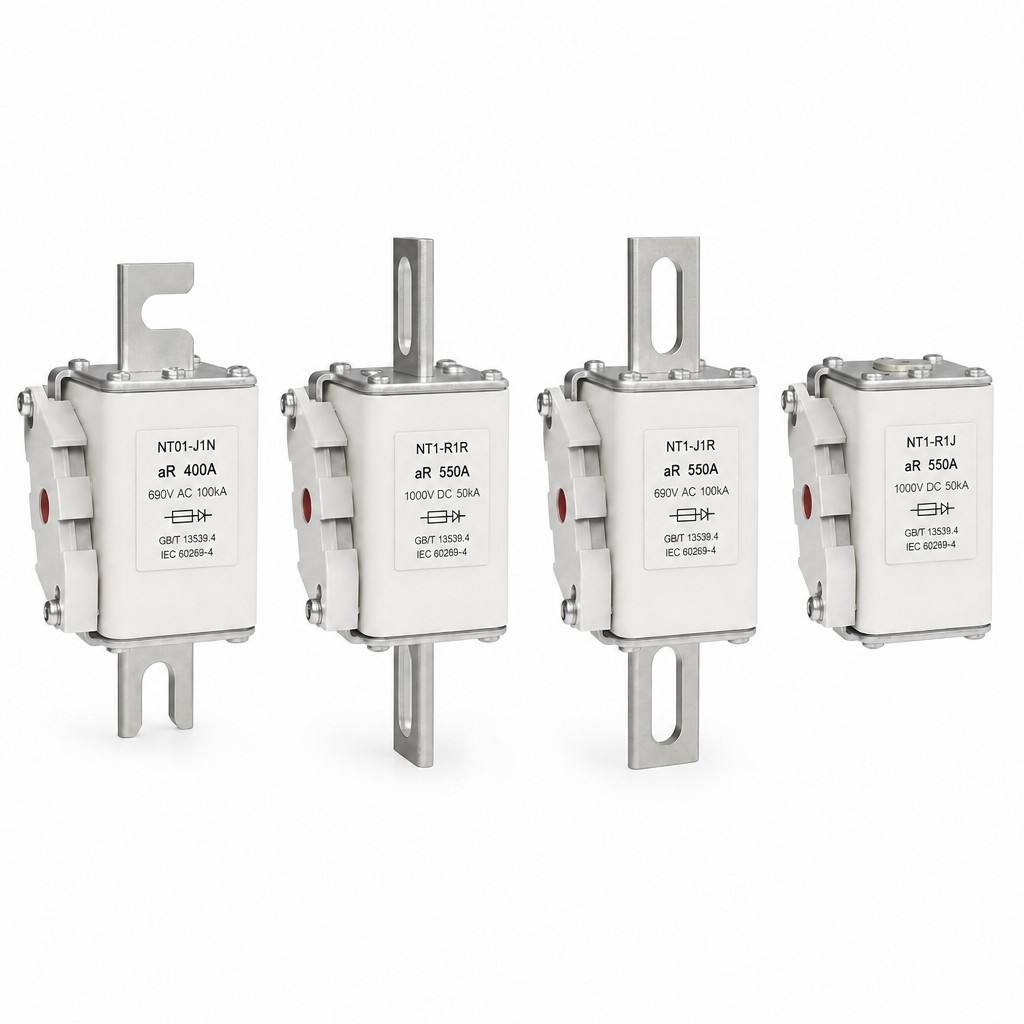
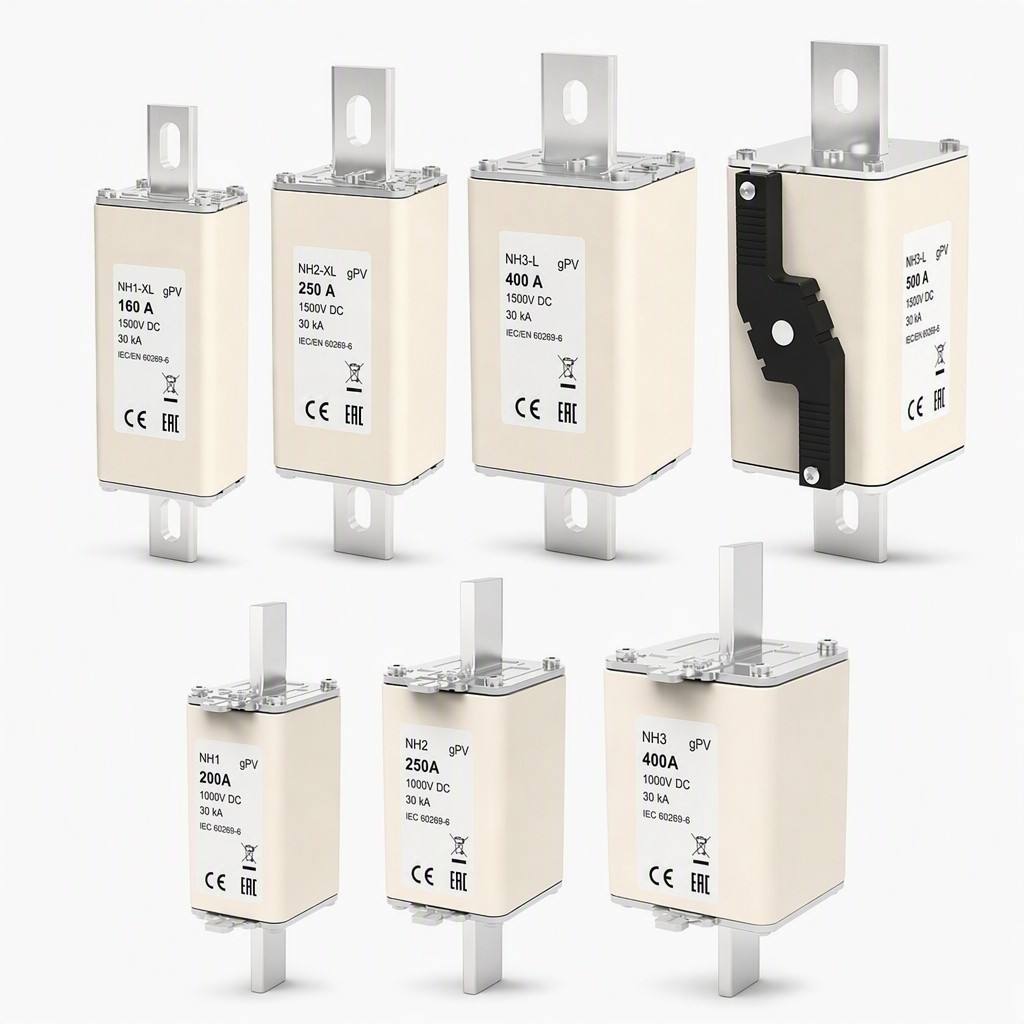
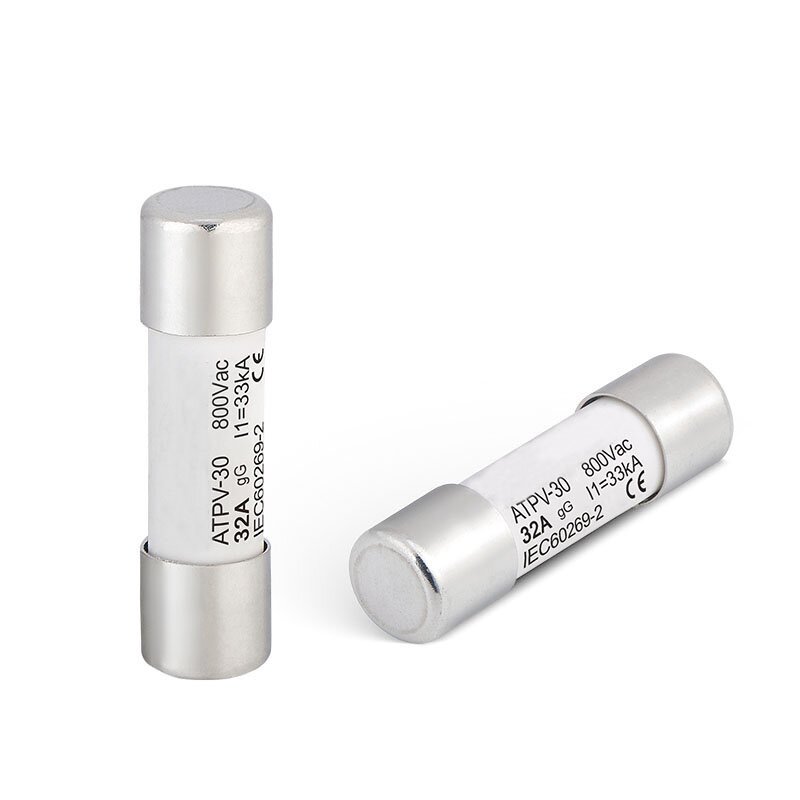
As a leading electrical manufacturer since 1992, ZHNYU ELECTRIC delivers advanced fuse solutions specifically engineered for DC circuits. Our fuses provide reliable overcurrent protection critical for photovoltaic systems, battery storage, electric vehicle charging infrastructure, and industrial DC power distribution. With over 34 years of production experience and 100+ units of precision equipment across a 10,000 m² facility, we ensure every fuse meets rigorous international standards. Quantitatively, our fuses achieve breaking capacities up to 100 kA DC, with rated voltages ranging from 500 V to 1500 V DC, covering applications from residential solar arrays to utility-scale power plants.
Get A Quote

Case Study

Case 1: Solar Power Plant in Spain

A 200 MW solar plant in Andalusia, Spain, faced severe operational challenges due to extreme ambient temperatures exceeding 45°C and severe grid-side voltage fluctuations. These harsh conditions caused frequent nuisance tripping and premature aging in standard protective components, severely impacting overall energy yield. By replacing legacy units with ZHNYU ELECTRIC’s high-voltage 1500 V DC fuses, the facility resolved thermal degradation issues and achieved an outstanding 99.98% operational availability over a two-year monitoring period.

Case 2: Battery Energy Storage System in Australia

An Australian utility-scale energy storage facility integrating a 100 MWh lithium-ion battery system required specialized overcurrent protection to eliminate thermal runaway risks during rapid cycling. ZHNYU ELECTRIC supplied custom 1000 V DC fast-acting fuses engineered with ultra-low internal resistance and minimal power dissipation, directly contributing to a 15% reduction in overall system thermal loss and improving round-trip energy efficiency. Over 18 months of continuous commercial operation under high C-rate charge-discharge conditions, the site recorded zero fuse failures and zero unexpected outages.

Case 3: Railway Electrification in India

For a high-density metro rail infrastructure project in India, ZHNYU ELECTRIC supplied heavy-duty 750 V DC fuses deployed across outdoor wayside DC power distribution panels. The operational environment subjected components to extreme continuous mechanical vibration, high humidity, and heavy conductive dust accumulation. Built with reinforced ceramic housings and IP67-rated sealed end-caps, our fuses exceeded stringent mechanical stress requirements, completing over 1 million duty cycles without structural degradation or electrical failure.

Related products

As the renewable energy sector expands rapidly, the role of the fuse in DC circuit protection has never been more critical. DC systems present unique challenges, including continuous arcing that can sustain across contacts, making interruption far more challenging than in AC systems. Unlike AC fuses that self-extinguish at zero-crossing, DC fuses must robustly break the arc by cooling and lengthening it. ZHNYU ELECTRIC has mastered this complexity through decades of specialization. Since our inception in 1992, we have dedicated ourselves to advancing low-voltage electrical protection, and our DC fuse portfolio reflects this expertise. 

Frequently Asked Questions

What is the difference between AC and DC fuses?

DC fuses are specially designed to interrupt direct current, which does not naturally cross zero like AC. They must actively suppress the arc by elongating it and absorbing energy via arc-quenching materials. In contrast, AC fuses rely on the alternating current's sinusoidal trips to extinguish arcs. Thus, using an AC fuse in a DC circuit is hazardous and will likely lead to catastrophic failure. Our UL and IEC-certified DC fuses are engineered to safely break DC arcs even under high voltage, ensuring reliable protection for solar, storage, and other DC applications. In summary, always select a fuse rated for the specific voltage and current type to ensure safety.
The fuse rating is determined by the short-circuit current and continuous current of the solar panel string. ITC expects the fuse to withstand normal operation without nuisance tripping, but clear quickly under fault conditions. First, calculate the panel's maximum current (Isc) and multiply it by 1.25 to account for irradiance levels. Next, ensure the fuse's rated voltage is greater than the maximum system voltage (often 1000V or 1500V). Also consider factors like temperature derating and conductor sizing. At ZHNYU ELECTRIC, we provide fuse sizing software and application notes; you can also contact our engineers for a personalized assessment. Proper sizing ensures both safety and minimal downtime.
No. DC circuits are prone to sustained arcs, which can keep an arc blazing across the breaker’s contacts, leading to severe damage and fire risk. Circuit breakers have a mechanical limit to interrupt DC currents; without a neutral point, they may not clear the short-circuit promptly. Moreover, the design of a DC fuse (as in our product) provides current-limiting effect that reduces let-through energy, protecting equipment more effectively. Exception: there are specific DC molded-case breakers instead, but they are not equivalent to fuses. For maximum safety, standard practice is to employ a DC fuse specifically designed for photovoltaic systems. In high-risk environments, fuses remain the preferred protective device due to their superior arc suppression.
The most relevant standards are IEC 60269-6 (for gPV fuses) and UL 248-19 (for photovoltaic fuses). These regulations cover performance, temperature, and breaking requirements. For example, our fuses meet both gPV and UL classes. It is also crucial to ensure that the DC fuse has a high interrupting rating (at least 20 kA DC) for transmission-level faults. In addition, we often test to IEC 60947 series, ensuring they are suitable for industrial use. When purchasing, look for certification marks: ISO, CE, CCC, RoHS, etc., which prove that the product has undergone rigorous type tests and factory audits. Compliance with these standards ensures safe integration into global installations, which is why 60+ countries trust our products.

Related Articles

How to Choose the Right Electrical Connector for Industrial Applications

31

Aug

How to Choose the Right Electrical Connector for Industrial Applications

Practical guide covering environmental, current, and compliance factors when selecting connectors.
View More
Why is ACB maintenance different from MCCB maintenance?

31

Aug

Why is ACB maintenance different from MCCB maintenance?

Air circuit breaker maintenance differs fundamentally from molded case. Learn why ACBs are serviceable, MCCBs are replaceable, and what that means for your facility.
View More
Why is a DC isolation switch critical for solar photovoltaic systems?

31

Aug

Why is a DC isolation switch critical for solar photovoltaic systems?

DC arcs don’t self-extinguish like AC—learn how proper DC isolation switches prevent fires, ensure compliance (IEC/NEC), and protect technicians. Get spec guidance now.
View More
How to install and replace a fuse safely in live electrical systems?

31

Aug

How to install and replace a fuse safely in live electrical systems?

Can you replace a fuse live? NFPA 70E says no—unless justified & permitted. Learn de-energize-first protocol, PPE requirements, and safe alternatives. Read now.
View More

Customer Testimonials

Project Manager
Outstanding Performance in Solar Projects

ZHNYU ELECTRIC’s DC fuses have transformed our solar EPC operations. We integrated their 1000V DC fuses into a 30MW grid-tied plant, and after one year, we recorded zero fuse failures. The current-limiting design cut idle blow time by 50% compared to previous brands.

Electrical Engineer
Reliable Protection for Battery Storage

We operate a 60MWh battery storage facility, and standard fuses couldn’t handle the high surge currents. After switching to ZHNYU’s 1500V DC fuses, we saw a 25% reduction in unscheduled downtime. The fuses’ fast response prevented inverter overspeed, extending our equipment lifespan by an estimated three years.

Get a Free Quote

Our representative will contact you soon.
Email
Mobile/WhatsApp
Name
Company Name
Message
0/1000
Advanced Arc-Quenching Technology: Precision Protection for High-Voltage DC Circuits

Advanced Arc-Quenching Technology: Precision Protection for High-Voltage DC Circuits

Our fuse in DC circuit solutions incorporates cutting-edge arc-quenching technology, a critical feature that distinguishes us in high-voltage applications. When a DC fault occurs, a powerful electric arc forms that can reach temperatures above 10,000°C, melting conductors and posing a fire hazard. Our specially blended arc-quenching fillers and optimized element geometry rapidly cool and neutralize the arc within milliseconds, often in less than 2ms. This is verified in our high-power laboratory where we test interrupting capacities up to 100kA at 1500V DC.
Global Compliance and Certifications: Assured Quality for Every Market

Global Compliance and Certifications: Assured Quality for Every Market

In the international electrical industry, compliance is non-negotiable. ZHNYU ELECTRIC’s fuses carry IEC 60269-6 and UL 248-19 certifications, easing market access for our clients. Each fuse is manufactured in our ISO9001-accredited facility, adhering to strict process control and quality assurance. Our products also meet CCC and CE requirements, and are compatible with RoHS directives, ensuring environmental safety. We’ve exported to 60+ countries, including those with rigorous standards like France and Japan, demonstrating consistent compliance. Our engineers provide comprehensive declarations of conformity, facilitating the approval paperwork for your projects.