
 EN

How does a fuse switch disconnector improve electrical safety in industrial settings?
How Modern Fuse Switch Disconnectors Transform Industrial Electrical Safety and Plant Reliability
Industrial electrical engineering often feels like walking a tightrope between maximizing operational uptime and protecting frontline personnel from catastrophic hazards. Across decades of hands-on plant commissioning, energy audits, and electrical panel retrofits, field engineers repeatedly encounter systems compromised by aging components, thermal fatigue, or fragmented circuit protection. When an unexpected overcurrent or severe short circuit surges through heavy manufacturing lines, the speed, precision, and reliability of the circuit isolation mechanism dictate whether a facility experiences a minor hiccup or a devastating plant-wide blackout. Integrating an advanced fuse switch disconnector into modern power distribution networks fundamentally redefines how industrial operators manage electrical risk, streamline regulatory compliance, and secure long-term operational continuity without compromising productivity.
Unpacking the Core Mechanics and Technical Superiority
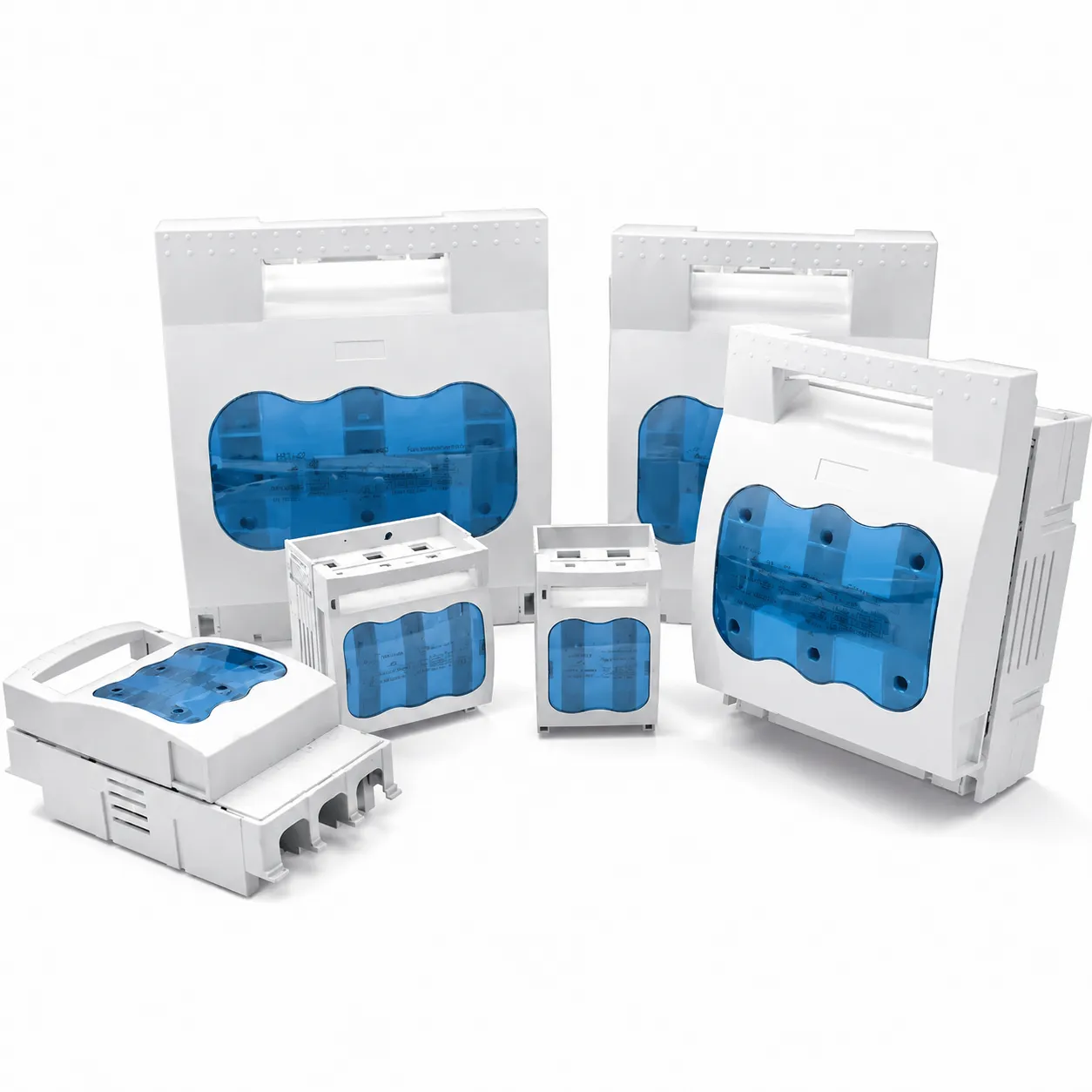
To understand why traditional separate switches and fuses increasingly fall short in demanding industrial applications, one must examine the physical architecture of modern power panels. Conventional setups require independent disconnects and separate fuse holders, which inherently introduce multiple points of electrical resistance, higher thermal dissipation, and greater susceptibility to mechanical wear. A high-performance fuse switch disconnector merges these critical functions into a unified, modular housing engineered for extreme industrial environments. Field technicians who have spent years troubleshooting stubborn thermal hotspots immediately appreciate how integrated knife-edge contacts and spring-assisted quick-make, quick-break mechanisms minimize destructive arcing during manual switching operations. This precise mechanical design prevents contact welding and ensures that fault energies are quarantined instantaneously, shielding expensive downstream machinery from irreversible voltage spikes and thermal stress. Furthermore, specialized arc-chute designs rapidly extinguish electrical arcs, ensuring maximum operational safety during high-load interruptions.
Bridging Technical Engineering with Rigorous Industry Standards
Navigating international electrical codes requires far more than just meeting basic functional requirements; it demands verifiable compliance with rigorous global benchmarks such as IEC standards and OSHA safety guidelines. During safety audits in heavy processing plants, inspectors routinely scrutinize how effectively electrical panels prevent accidental re-energization during complex maintenance cycles. A certified fuse switch disconnector provides foolproof lock-out/tag-out (LOTO) capabilities, allowing operators to visually confirm absolute physical contact separation before touching live-adjacent terminals. Furthermore, comprehensive third-party laboratory test reports validate that these robust disconnectors withstand severe short-circuit withstand currents without structural compromise or dielectric breakdown. Incorporating such rigorously tested components significantly lowers industrial risk profiles, sparing facility managers from costly regulatory penalties, unexpected insurance hikes, and protracted liability litigation. Compliance becomes an operational advantage rather than a bureaucratic burden when infrastructure is built upon certified reliability.
Mitigating Arc Flash Hazards and Protecting Human Capital
Ask any seasoned industrial safety director about their primary operational concern, and the answer almost invariably points to the terrifying reality of arc flash incidents. An uncontrolled arc flash releases explosive thermal energy capable of vaporizing copper busbars, destroying switchgear enclosures, and causing life-altering thermal and acoustic injuries to nearby workers. Field experience demonstrates that reducing incident energy is directly tied to the current-limiting capability of protective devices. Modern fuse switch disconnectors utilize advanced high-rupturing-capacity fuse links designed to clear high-magnitude faults within milliseconds, drastically truncating the total duration of the thermal event. By curtailing arc flash intensity, industrial facilities successfully drop their required personal protective equipment (PPE) hazard categories, making daily maintenance considerably safer, faster, and more ergonomic for technicians working on the plant floor. Protecting human capital through superior engineering remains the ultimate ethical and financial priority for modern plant administrators.
Optimizing Energy Distribution and Thermal Performance in Heavy Industries
Heavy industrial manufacturing environments place relentless demands on power distribution systems, where continuous high-amperage loads generate substantial thermal stress over extended operational cycles. Inefficient circuit protection devices suffer from progressive contact degradation, increasing electrical resistance and leading to unnecessary power dissipation or nuisance tripping. Implementing a state-of-the-art fuse switch disconnector resolves these persistent thermal challenges through silver-plated copper contacts and optimized internal heat dissipation pathways. These design refinements ensure stable operating temperatures even under peak industrial loads. Consequently, plant operators experience lower power wastage, enhanced electrical stability, and significantly extended maintenance intervals, transforming routine electrical distribution into a streamlined, highly dependable asset.
Delivering Long-Term Commercial Value and Supply Chain Resilience
While safety and regulatory compliance remain paramount, facility owners must also justify capital expenditures through tangible commercial returns and total cost of ownership analysis. Frequent unscheduled downtime, replacement component shipping delays, and inefficient panel wiring layouts erode profit margins across competitive industrial sectors worldwide. Upgrading to a standardized, high-durability fuse switch disconnector minimizes routine maintenance overheads, extends heavy equipment lifespan, and optimizes valuable switchgear panel space. Behind every reliable electrical component lies a sophisticated manufacturing ecosystem and a resilient global supply chain capable of delivering precision-engineered hardware exactly when projects demand it. Through advanced automated metal stamping, rigorous automated dielectric testing, and dependable logistics management, WEITAI delivers uncompromising quality and consistent component availability to industrial operations across the globe, ensuring that modern manufacturing facilities remain safely powered, robustly protected, and perpetually operational.