
 EN

What are the key benefits of using a fuse switch disconnector in power distribution?
Time : 2026-09-01
All-in-One Functional Integration for Streamlined Low-Voltage System Design
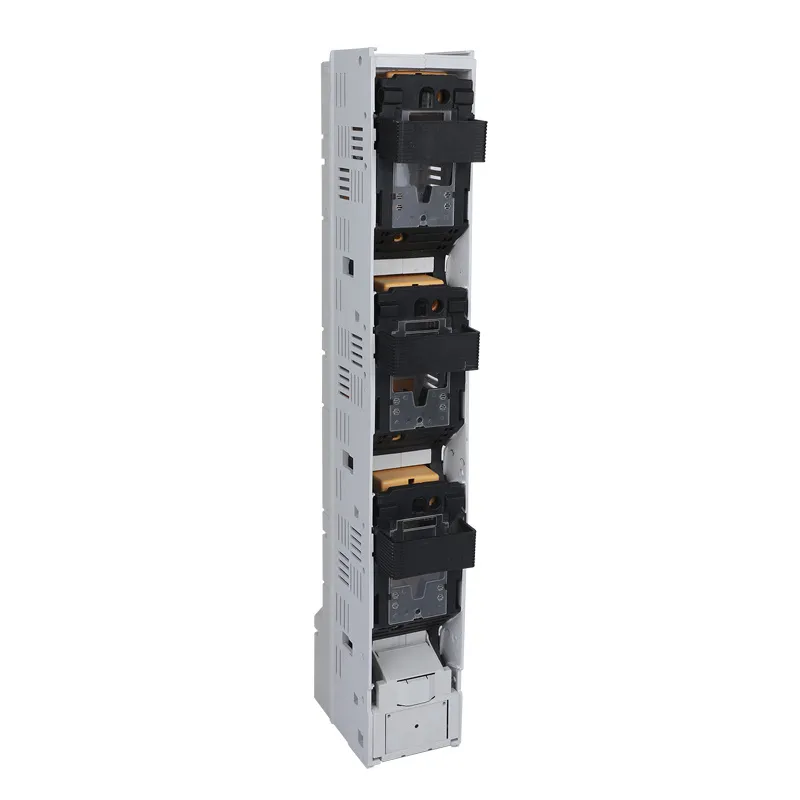
Low-voltage power distribution design often involves tedious component matching and on-site assembly work. Many electrical designers opt for separate isolator switch, load break switch and fuse units to meet switching, isolation and protection needs, but this traditional discrete configuration brings obvious drawbacks like bulky cabinet layout, complicated wiring and increased potential circuit faults. A high-performance fuse switch disconnector solves these pain points perfectly by consolidating three core electrical functions into one compact unit.
Backed by long-term field engineering practice in global industrial and new energy distribution projects, this integrated device effectively optimizes internal cabinet space and simplifies overall circuit logic. A standalone isolator switch only delivers physical isolation for equipment maintenance with zero overcurrent or short-circuit protection. A conventional load break switch merely handles normal load switching and depends entirely on external accessories to resist circuit faults. In contrast, the fuse switch disconnector is fitted with replaceable low voltage fuse links that cut off faulty circuits in milliseconds during abnormal current conditions. Fully compliant with the globally recognized IEC 60947-3 standard, this all-in-one design balances daily operational practicability and basic circuit safety for universal low-voltage distribution applications.
Superior Fault Resistance Performance for Enhanced Grid Operational Stability
The long-term stability of power distribution grids hinges heavily on the fault interruption capability of terminal electrical devices. Complex working conditions such as long-running photovoltaic power systems, industrial production lines and commercial power distribution rooms place high demands on equipment reliability. The core advantage of a standard fuse switch disconnector lies in its supporting low voltage fuse link, which features far more sensitive current induction and stronger short-circuit tolerance than ordinary circuit breakers.
Verified by massive global power distribution project data, industrial-grade fuse switch disconnectors can withstand extreme short-circuit current impacts steadily, preventing local fault spread and avoiding large-area grid abnormalities. These devices adapt well to frequent voltage fluctuations and intermittent load changes in distributed power systems, effectively avoiding common issues like abnormal tripping and protection failure that plague inferior switching devices. For this reason, professional electrical engineers widely recognize fuse switch disconnectors as a reliable protective solution for complex and high-stability required low-voltage grid scenarios.
Optimized On-Site Safety for Maintenance and Daily Operation
Operational safety is an indispensable core of power distribution system management, and intuitive, verifiable safety design is a key feature of internationally compliant electrical equipment. Unlike electronic protective devices that rely on digital signal feedback, a standard fuse switch disconnector adopts a visible break structure. Field technicians can directly observe the circuit disconnection state in the off position, eliminating safety risks caused by faulty electronic indicators.
Most mainstream fuse switch disconnector models support padlock mounting, which fully fits global Lockout-Tagout standard operating procedures. It makes up for the functional defects of single-function devices: isolator switches cannot resist circuit faults, while load break switches fail to provide safe and reliable isolation gaps. The combination of mechanical isolation structure and built-in low voltage fuse links builds a solid dual safety barrier for power distribution systems, minimizing arc flash and electric shock hazards during equipment commissioning, daily operation and routine maintenance, with stable application performance in various global power distribution scenarios.
Reliable Selective Coordination for Reducing System Blackout Risks
Multi-level selective protection coordination is the key to improving the overall power supply continuity of distribution networks, and it is also a difficult point in conventional low-voltage system design. Unreasonable matching of protective devices often leads to unnecessary large-scale power outages, affecting the normal operation of supporting facilities. The standardized time-current characteristics of low voltage fuse links enable fuse switch disconnectors to achieve precise and stable selective protection.
According to authoritative electrical design specifications, reasonable grading matching of fuse links with different current ratings allows targeted fault isolation. When a branch circuit fails, only the fuse switch disconnector on the faulty branch operates to cut off the fault, while the upstream main circuit and other healthy branches continue to operate normally. Compared with adjustable circuit breakers that require complex parameter calibration and repeated debugging, fuse-based protection coordination features simpler logic, lower configuration difficulty and higher operational stability, greatly reducing design errors and system failure risks in complex distribution networks.
Long-Term Commercial Value for Cost-Effective System Operation
Reasonable equipment selection not only ensures the safe operation of power systems but also optimizes the whole life cycle investment of distribution projects. The integrated design of fuse switch disconnectors simplifies equipment procurement and on-site construction processes. Instead of purchasing and installing isolators, load switches and fuse holders separately, project teams only need to deploy one integrated device, effectively simplifying the overall project configuration.
In daily system operation, the replaceable structure of low voltage fuse links simplifies daily spare parts reserve and management work. Compared with replacing integral electrical equipment, updating matching fuse links is more convenient and adaptable. For iterable and expandable power distribution projects, this flexible structural design avoids repeated equipment replacement and overall system transformation, bringing stable and practical economic advantages for long-term project operation.
Professional Manufacturing Strength for Global Project Deployment
Standardized production and strict quality control are the core guarantees for the stable application of low-voltage electrical equipment worldwide. With decades of in-depth layout in the low-voltage electrical industry, Zhnyu Electric specializes in the R&D and mass production of complete series of fuse switch disconnectors, isolator switches and supporting low voltage fuse accessories. All products comply with international industry standards and have obtained authoritative certifications including ISO9001, CE and CCC, while meeting RoHS environmental specifications and universal Eurasian grid application requirements.
Equipped with standardized production lines and complete processing equipment, Zhnyu Electric maintains consistent product stability in mass production. With mature global project service experience covering more than 60 countries and regions, the brand accumulates rich practical experience in adapting products to different regional grid standards and complex operating environments, delivering stable and reliable low-voltage electrical supporting equipment for global power distribution infrastructure construction and upgrading projects.