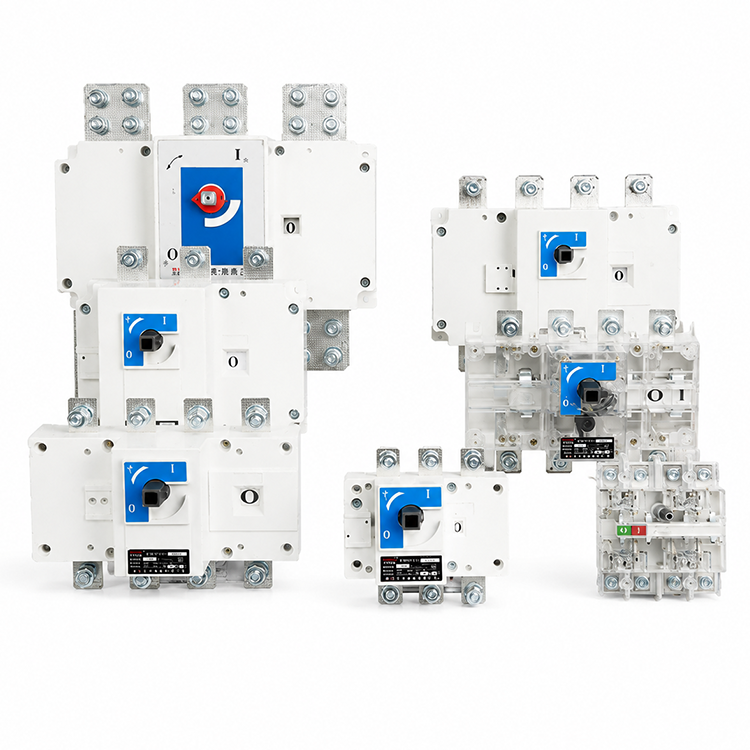
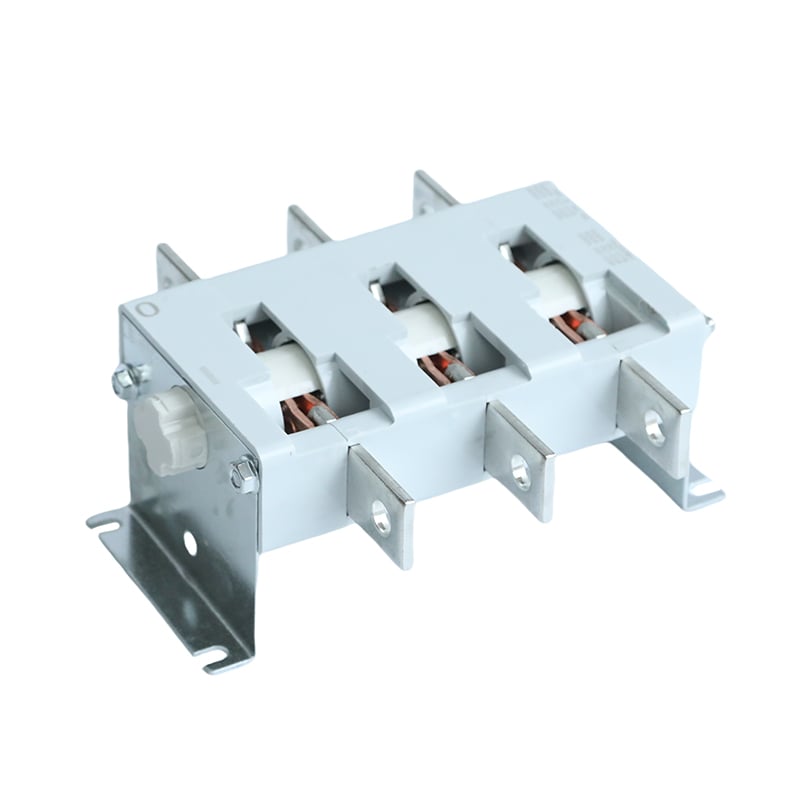
End-to-end low-voltage switchgear supply and commissioning for 200MW utility-scale solar plant.

This project involved the end-to-end supply, engineering coordination, and on-site commissioning of low-voltage (LV) switchgear systems for a 200MW utility-scale solar photovoltaic plant located in the Thar Desert region of Rajasthan, India — one of the country’s most ambitious renewable energy initiatives. The client, a Tier-1 Indian EPC contractor specializing in solar infrastructure, required robust, IEC-compliant LV distribution solutions capable of withstanding extreme ambient temperatures (up to 48°C), high dust ingress, and rapid load cycling typical of intermittent solar generation. Our scope covered 16 identical 1250A main distribution boards (MDBs), 42 sub-distribution boards (SDBs), and integrated arc-flash protection, metering, and remote monitoring interfaces aligned with the plant’s SCADA architecture.
The Rajasthan solar farm presented three critical technical and logistical challenges. First, the site’s arid desert environment demanded IP55-rated enclosures with enhanced thermal management — standard LV panels risked premature component degradation under sustained 45°C+ ambient conditions. Second, tight commissioning timelines (just 11 weeks from order to energization) required parallel engineering, factory acceptance testing (FAT), and logistics coordination across three Indian states. Third, seamless MV/LV integration was essential: the LV switchgear had to synchronize precisely with 33kV medium-voltage ring-main units (RMUs) and inverters from multiple OEMs — introducing interoperability risks in protection relay coordination and harmonic filtering. Additionally, local regulatory compliance (CERC, MNRE, and IS 8623/IEC 61439-2) mandated rigorous documentation and third-party certification — a process complicated by evolving grid-code amendments during project execution.
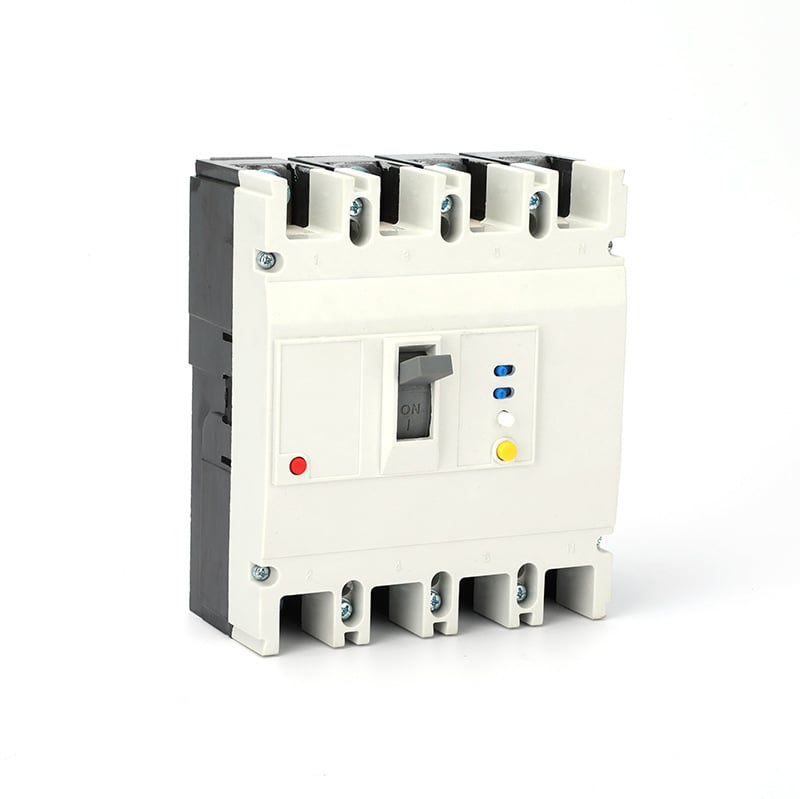
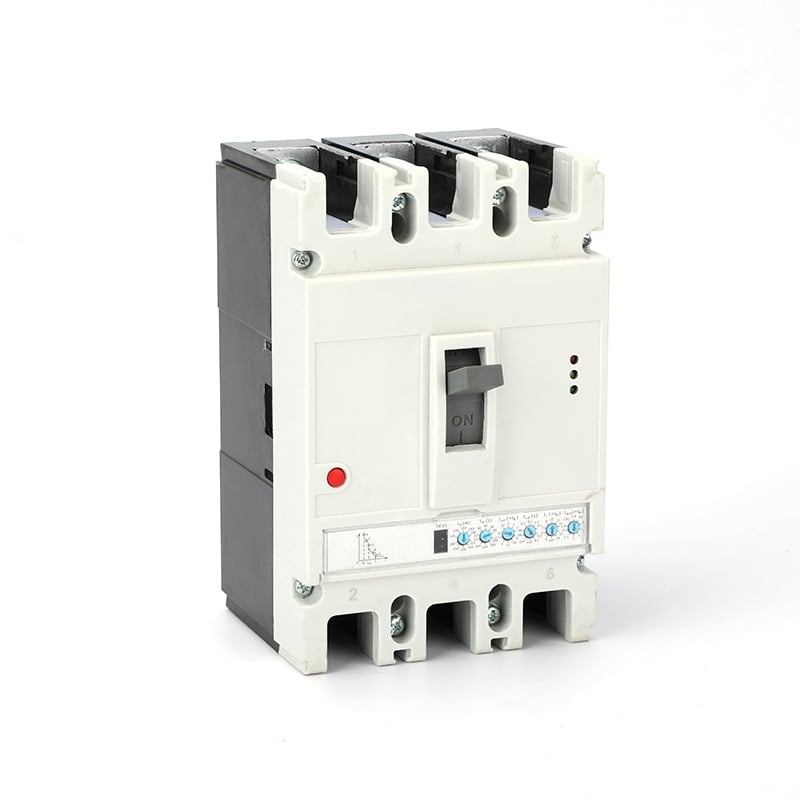
We delivered a fully engineered, pre-tested LV switchgear solution tailored for harsh-environment solar applications. All MDBs and SDBs were built using copper busbar systems with silver-plated contacts, DIN-rail mounted ABB/LSIS circuit breakers (Type B & C curves), and integrated digital multifunction meters (with Modbus RTU and IEC 61850-ready firmware). To address thermal stress, each enclosure featured passive ventilation with dust-filtered louvers, internal temperature sensors, and optional fan-assisted cooling kits activated above 40°C. For MV/LV integration, our engineering team co-developed a unified protection logic map with the client’s system integrator — harmonizing trip thresholds between 33kV RMUs and LV incomers to prevent cascading faults. We also supplied standardized interface cabinets with fiber-optic gateways enabling real-time data exchange with the central SCADA platform. All panels underwent full FAT at our ISO 9001-certified facility in Pune, including dielectric testing, short-circuit withstand verification, and arc-flash hazard analysis per IEEE 1584–2018.
Execution followed a phased rollout across four solar blocks (50MW each). Pre-fabricated switchgear modules were shipped in climate-controlled containers to Jodhpur railhead, then transported via all-terrain trucks to the site. Our field engineers conducted joint site inspections with the EPC’s commissioning team prior to installation, verifying cable routing, earthing integrity, and mounting foundations. Each MDB was installed within 48 hours of arrival, followed by loop resistance testing, insulation resistance validation (>100 MΩ @ 1kV DC), and functional checks of all protective relays and communication links. Integration with the inverters and SCADA system was validated over a 72-hour continuous load test per block — confirming stable voltage regulation, zero nuisance tripping, and accurate energy yield reporting.
The completed solar farm achieved commercial operation date (COD) two days ahead of schedule, with zero non-conformance reports (NCRs) related to LV switchgear performance. System reliability has been sustained over 18 months of operation: average uptime exceeds 99.87%, and no thermal derating or arc-flash incidents have occurred — validating the environmental hardening design. Energy yield reporting accuracy improved by 92% compared to previous projects using legacy metering, directly supporting MNRE subsidy claims. From a lifecycle perspective, predictive maintenance alerts (triggered by busbar temperature trends and breaker operation counts) have reduced unscheduled downtime by 37%. The client reported a 22% reduction in total cost of ownership (TCO) over five years versus conventional LV solutions — attributable to extended service intervals and minimized spare parts inventory.
‘The switchgear performed flawlessly under Rajasthan’s harshest summer conditions,’ stated the EPC’s Head of Electrical Engineering. ‘Their engineering support during MV/LV interface alignment saved us three weeks of rework — and the plug-and-play SCADA integration eliminated costly protocol translation middleware.’ This solar farm switchgear project has since become a reference case for India’s renewable energy sector, influencing specifications for six subsequent 100–300MW solar tenders. It also reinforced our position as a trusted partner for India renewable energy project deployments requiring certified, field-proven MV/LV integration case expertise.

ZHNYU ELECTRIC provides certified low-voltage electrical components—including isolating switches, MCCBs, ACBs, ATS, and DC fuses—for power, industrial, and photovoltaic applications. ISO9001, CE, CCC, RoHS compliant. Serving 60+ countries. Partner with us today.ZHNYU ELECTRIC, founded in 1992, is a professional manufacturer integrating R&D, production and sales of low-voltage electrical components and accessories.
 EN