Upgraded LV distribution network with ATS, harmonics filtering, and fire-rated busway for 24/7 uptime.

Located in the heart of Metro Manila, the 500-bed St. Raphael Medical Complex serves over 1,200 patients daily and operates critical life-support systems, imaging suites, and surgical centers around the clock. Aging infrastructure—original LV distribution installed in 1998—had led to frequent voltage sags, harmonic distortion above IEEE 519 limits, and fire-safety noncompliance with updated Philippine Electrical Code (PEC) Article 3.2.4. In 2023, the hospital commissioned a comprehensive hospital electrical retrofit to ensure uninterrupted power resilience across all clinical zones. The scope covered full replacement of main switchboards, integration of dual-source automatic transfer switching, harmonic mitigation, and installation of UL 910–rated low-smoke zero-halogen (LSZH) busway systems across three high-risk floors.
The facility faced four interrelated challenges threatening patient safety and regulatory compliance. First, legacy molded-case circuit breakers exhibited thermal fatigue, causing unexplained tripping during peak MRI and dialysis loads. Second, nonlinear medical equipment—including 3T MRI scanners, digital PET-CT units, and LED surgical lighting—generated total harmonic distortion (THDv) exceeding 12% at the main LV panel, degrading equipment lifespan and triggering false alarms in ICU monitoring systems. Third, existing PVC-jacketed bus ducts failed current PEC fire-rating requirements for healthcare occupancies, posing unacceptable egress risk. Finally, manual generator synchronization introduced 12–18 second downtime during utility outages—unacceptable for ventilator-dependent wards and neonatal ICUs. These issues collectively undermined the hospital’s Joint Commission International (JCI) accreditation renewal timeline.
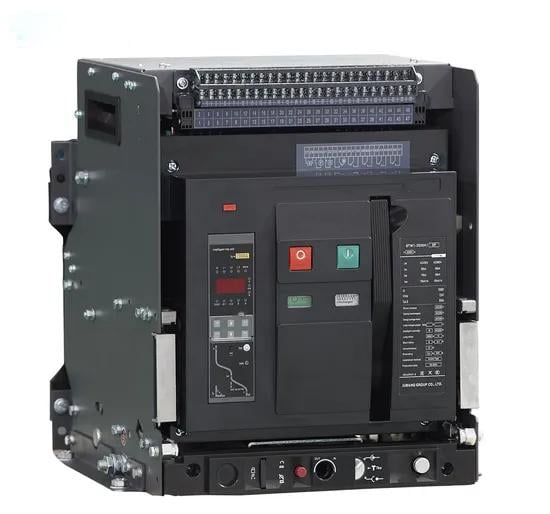
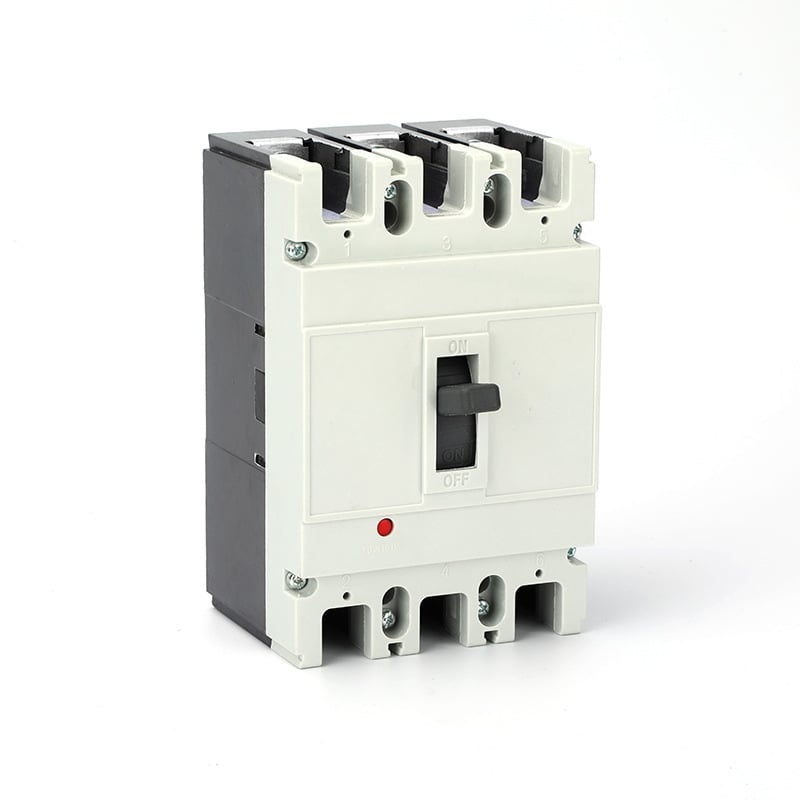
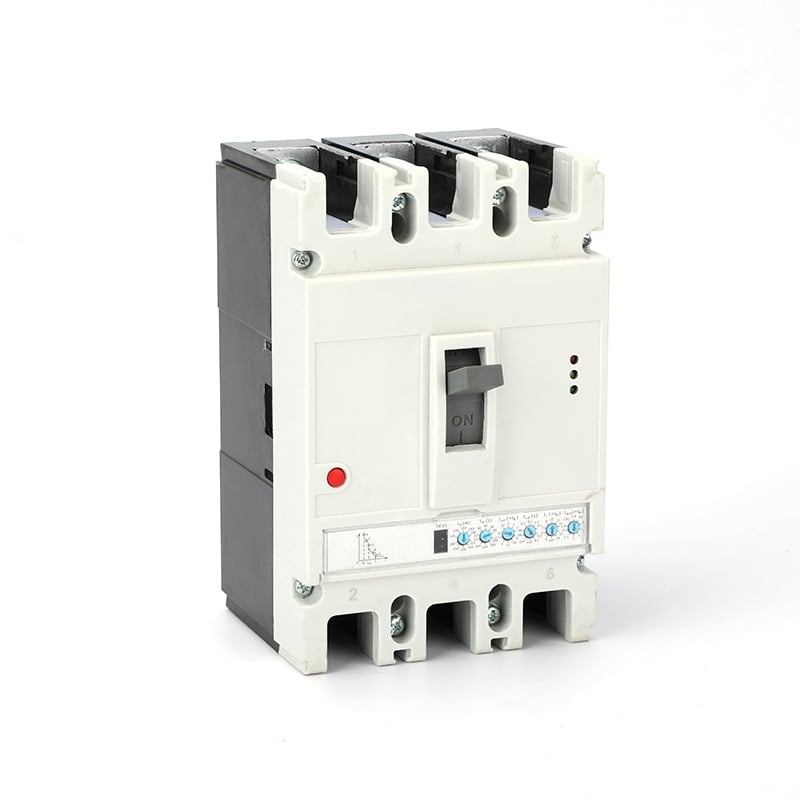
Our engineering team delivered an integrated critical power project solution aligned with IEC 60364-7-710 and PEC Annex D for healthcare facilities. Core components included: (1) Two 2,500A Type II ATS panels with 150ms transfer time and programmable phase-loss detection; (2) Active harmonic filters (AHF) rated at 150A per unit, dynamically compensating up to 50th-order harmonics and reducing THDv to <4.2%; (3) 3,200A fire-rated busway system with mineral-insulated copper conductors and LSZH jacketing, certified to UL 910 and PEC Class A fire spread rating; and (4) Digital relay coordination across 12 downstream MCCBs to eliminate nuisance tripping via selective time-current curves. All switchgear was housed in IP54-rated, acoustically dampened enclosures to meet hospital noise control standards (ANSI S12.60).
Execution followed a phased, zero-downtime methodology. Phase 1 involved parallel commissioning of new ATS and AHFs during off-peak hours (10 PM–5 AM), with load transferred incrementally using temporary bypass busbars. Phase 2 replaced legacy bus ducts floor-by-floor during scheduled maintenance windows—each floor completed within 72 hours using prefabricated, factory-tested busway segments. Phase 3 integrated SCADA-level monitoring via Modbus TCP into the hospital’s existing BMS, enabling real-time harmonic spectrum analysis, ATS event logging, and predictive maintenance alerts. All work complied with DOH Administrative Order No. 2022-001 on Healthcare Infrastructure Resilience and underwent third-party verification by TÜV Rheinland Philippines.
Post-commissioning validation confirmed 100% compliance with JCI EC.02.05.01 (electrical reliability) and PEC Section 517.30 (essential electrical systems). Key outcomes include: zero unplanned outages over 14 months of operation; harmonic distortion reduced from 12.7% to 3.9%; busway fire-test performance exceeding 2-hour flame propagation resistance; and average transfer time cut from 15.2 seconds to 142 milliseconds. Energy efficiency improved by 6.3% due to reduced conductor losses and optimized power factor (from 0.82 to 0.96). The retrofit also enabled seamless integration of a future 500kW solar PV microgrid—pre-wired during Phase 1 conduit upgrades.
‘This Philippines healthcare case transformed our power infrastructure from a liability into a strategic asset,’ said Dr. Elena Torres, Chief Facilities Officer at St. Raphael Medical Complex. ‘The reliability gains directly support our mission-critical care delivery—and the modular design gives us scalability we never had before.’ The project received the 2024 Philippine Green Building Council (PHILGBC) Healthcare Infrastructure Excellence Award and serves as a benchmark for LV retrofit best practices across ASEAN hospitals.

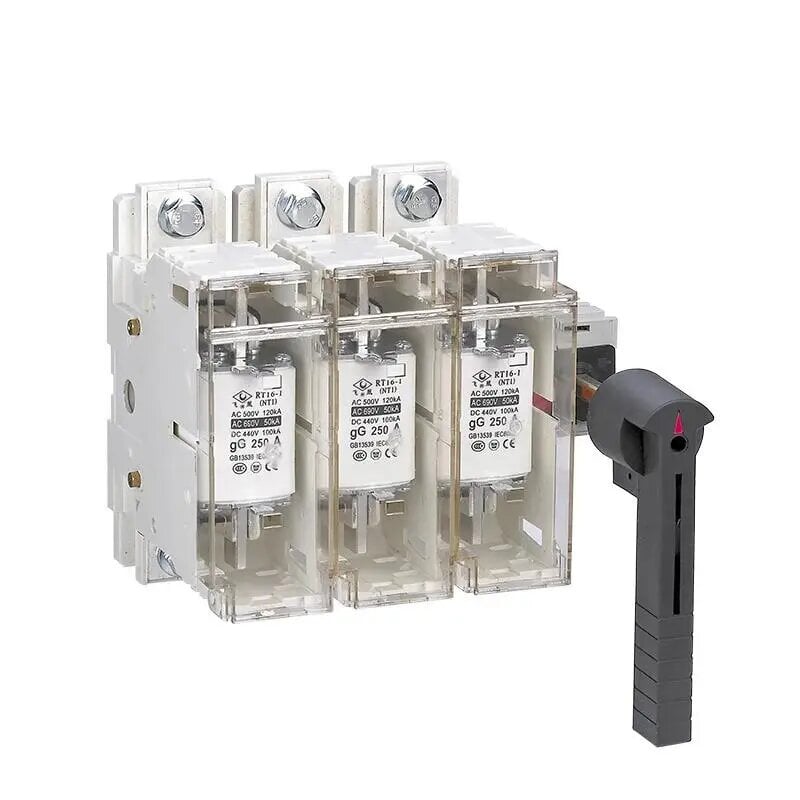
ZHNYU ELECTRIC provides certified low-voltage electrical components—including isolating switches, MCCBs, ACBs, ATS, and DC fuses—for power, industrial, and photovoltaic applications. ISO9001, CE, CCC, RoHS compliant. Serving 60+ countries. Partner with us today.ZHNYU ELECTRIC, founded in 1992, is a professional manufacturer integrating R&D, production and sales of low-voltage electrical components and accessories.
 EN