
 EN

Why is the fuse base considered a critical component in fuse systems?
Understanding the Foundational Role of the Fuse Base in Power Networks
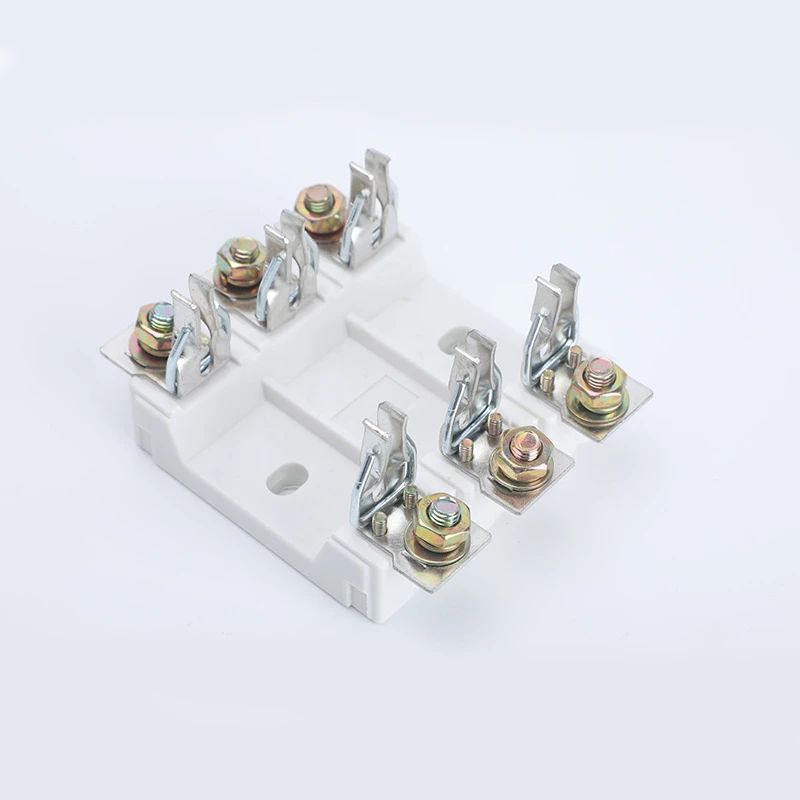
In any electrical power distribution network, engineering discussions frequently center around high-performance links and circuit breakers, yet the physical foundation supporting these devices is equally vital. At ZHNYU ELECTRIC, our manufacturing and technical teams routinely evaluate how structural hardware maintains overall system integrity across diverse distribution grids. A high-quality fuse base serves as the mechanical anchor and electrical interface connecting the protective link to the distribution panel or switchboard. Within any comprehensive electrical protection system, the physical mounting platform must securely hold the protective element while enduring severe electrodynamic forces. Without a robust and precisely engineered fuse base, even the most advanced protective link cannot perform effectively under heavy electrical loads. Ensuring secure terminal connections, excellent insulating properties, and superior thermal dissipation are paramount responsibilities of this foundational element within every modern electrical protection system. Furthermore, choosing a reliable fuse base guarantees optimal circuit stability and minimizes unexpected downtime in industrial facilities.
Ensuring Mechanical Stability and Contact Integrity in Distribution Panels
The physical interface where a protective link meets its mounting terminal is subjected to immense mechanical and thermal stresses during routine operations and fault interruptions. Over time, poor contact resistance can lead to localized overheating, accelerated oxidation, and premature component failure across the entire assembly. To achieve exceptional fuse component reliability, manufacturers must utilize high-grade copper alloys with silver plating and resilient spring-loaded clamping mechanisms that maintain constant, uniform pressure against the contact blades. Every specialized fuse base must undergo stringent testing to verify its clamping force and structural rigidity. Field monitoring and installation audits consistently demonstrate that stable mechanical contact minimizes power losses and prevents dangerous arcing phenomena. ZHNYU ELECTRIC engineering protocols dictate rigorous mechanical retention tests to guarantee that each manufactured fuse base withstands vibration, thermal expansion, and repetitive insertion cycles without degrading electrical performance, thereby safeguarding overall fuse component reliability. Every deployed fuse base acts as a core pillar of fuse component reliability in commercial switchboards.
Meeting Rigorous Safety Standards Through Advanced Material Selection
Regulatory adherence and strict alignment with international benchmarks are non-negotiable aspects of manufacturing electrical infrastructure hardware. Achieving absolute fuse safety compliance requires that insulating bodies are fabricated from flame-retardant thermoplastics or high-strength ceramics capable of withstanding extreme temperatures and dielectric stresses. When short-circuit events occur, every installed fuse base must contain violent electromagnetic forces and prevent tracking or flashover between adjacent phases. By integrating robust materials that meet IEC and UL guidelines, manufacturers protect maintenance personnel and downstream assets from catastrophic electrical hazards. Our production lines at ZHNYU ELECTRIC prioritize comprehensive dielectric strength testing and flammability ratings to ensure absolute safety and strict fuse safety compliance across global industrial markets, proving that a certified fuse base is indispensable for modern regulatory adherence and complete fuse safety compliance.
Thermal Management and Heat Dissipation in High-Current Applications
Continuous electrical current flowing through distribution panels generates inherent Joule heating, which must be safely dissipated to prevent thermal runaway. A well-designed fuse base acts as an efficient thermal conductor, drawing heat away from the central link and transferring it safely into the surrounding enclosure or air currents. In demanding industrial settings and commercial switchboards, inadequate thermal management can cause adjacent components to degrade prematurely or trigger nuisance interruptions. Engineers must carefully calculate cross-sectional conductor dimensions and terminal clearances to optimize airflow and thermal equilibrium around every deployed fuse base. Through decades of manufacturing experience, our technical team at ZHNYU ELECTRIC recognizes that superior thermal engineering directly extends the operational lifespan of the entire circuit protection assembly, reinforcing the reliability of each fuse base and reducing maintenance overhead for facility operators within any advanced electrical protection system.
Practical Guidelines for Installation, Inspection, and Maintenance
Proper installation and routine inspection protocols are essential for maintaining a secure and resilient electrical infrastructure over the lifespan of a facility. When installing a fuse base, technicians must verify that mounting bolts are torqued to precise manufacturer specifications to eliminate loose connections that could introduce high-resistance faults. Maintenance personnel should periodically inspect contact surfaces on every operational fuse base for signs of pitting, discoloration, or environmental contamination, cleaning or replacing degraded parts promptly. ZHNYU ELECTRIC emphasizes transparent technical guidance, encouraging professional electricians and facility managers to follow structured maintenance schedules for each installed fuse base. By combining superior hardware manufacturing with diligent operational oversight, industrial plants and commercial buildings can achieve maximum operational uptime and uncompromised safety within their electrical protection system.
Enhancing Long-Term Resilience in Modern Electrical Grids
The ongoing evolution of global electrical grids demands continuous innovation in manufacturing precision, material science, and safety standard integration for all hardware components. Whether safeguarding commercial infrastructure or heavy industrial machinery, the primary objective remains protecting human lives, structural property, and sensitive electronic investments from unforeseen electrical hazards. By prioritizing stringent testing protocols and robust structural designs, ZHNYU ELECTRIC delivers components that meet the demanding requirements of international markets. Ultimately, recognizing the indispensable role of the mounting platform empowers engineers, electricians, and facility operators to make informed procurement decisions, reinforcing electrical safety, ensuring strict fuse safety compliance, and guaranteeing resilient, dependable energy distribution for years to come through every deployed fuse base.