
 EN

Why is an air circuit breaker preferred for high-current applications?
Understanding the Role of High-Current Circuit Breakers in Industrial Power Grids
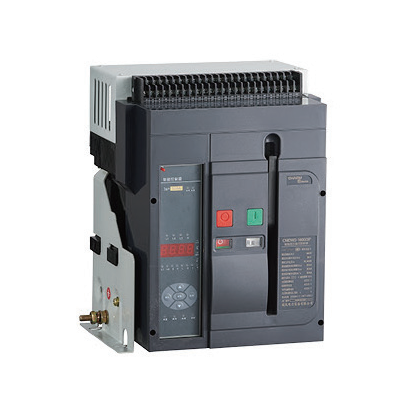
In heavy industrial manufacturing, large commercial complexes, and extensive power distribution grids, managing massive electrical loads requires robust, highly reliable protective hardware. At ZHNYU ELECTRIC, our engineering and technical teams routinely evaluate how power distribution networks handle extreme electrical capacities. When operating at currents scaling from hundreds up to several thousand amperes, standard thermal-magnetic breakers often fall short of the required thermal dissipation and mechanical resilience. An advanced air circuit breaker utilizes ambient air as its primary arc-extinguishing and insulating medium, making it the premier choice for heavy-duty power management. Incorporating a reliable high-current circuit breaker ensures that large industrial plants maintain operational stability, safeguarding critical infrastructure against severe electrical faults without experiencing catastrophic equipment failure. Furthermore, understanding the foundational mechanics of an air circuit breaker helps facility operators optimize their entire electrical distribution architecture for maximum safety and uninterrupted productivity.
Core Operating Principles and Arc Extinction in Air Circuit Breakers
To appreciate why large-scale industrial facilities rely heavily on specialized air-break technology, one must examine the fundamental physics governing air circuit breaker operations. When an industrial electrical circuit carrying thousands of amperes trips due to a short circuit or severe overload, separating the main contacts generates an extremely intense electric arc. If this plasma arc is not quenched almost instantaneously, the tremendous heat can weld contacts together, destroy the internal housing, and cause catastrophic equipment explosions. An advanced air circuit breaker manages this challenge through sophisticated arc chutes, magnetic blow-out coils, and rapid mechanical opening speeds. As the contacts part, the ionized gas is forced upward into the arc chutes, where ceramic splitter plates divide, cool, and rapidly extinguish the arc. This sophisticated arc-quenching mechanism ensures that even the most demanding industrial circuit protection requirements are met safely, preventing arc flashes and protecting downstream assets.
Key Advantages of ACB Applications in Heavy Industrial Environments
Industrial installations present unique operational challenges, including continuous motor starting currents, frequent load fluctuations, and harsh operating conditions that demand exceptional hardware durability. Evaluating typical ACB applications reveals that these robust devices offer superior short-time withstand ratings, allowing them to coordinate seamlessly with downstream protective components during transient faults. Unlike enclosed molded-case devices that struggle with extreme thermal accumulation, an open-frame air circuit breaker provides excellent natural heat dissipation and easy physical inspection access for maintenance technicians. ZHNYU ELECTRIC emphasizes that selecting a properly rated high-current circuit breaker prevents nuisance tripping while guaranteeing immediate response during legitimate fault scenarios. By maintaining strict adherence to international electrical standards, these versatile components ensure that manufacturing plants, data centers, and utility substations operate continuously without unexpected shutdowns or expensive equipment repairs.
Selectivity, Coordination, and Discrimination in Complex Power Networks
Achieving absolute reliability in multi-tier distribution networks requires meticulous attention to selectivity and coordination between upstream and downstream protective devices. In complex industrial circuit protection setups, a fault occurring at a sub-distribution level must be cleared exclusively by the nearest local breaker, leaving main feeders fully operational to prevent widespread facility blackouts. Utilizing an advanced air circuit breaker at the main incoming switchboard provides engineers with precise electronic trip units featuring adjustable long-time, short-time, and instantaneous pickup settings. This precise time-current curve coordination allows a high-current circuit breaker to discriminate between harmless motor-starting inrush currents and dangerous downstream short circuits. Field performance data and engineering audits consistently show that proper ACB applications significantly enhance system stability, minimizing downtime and protecting heavy capital machinery from irreversible electrical stress and thermal degradation.
Maintenance Protocols and Operational Longevity of Heavy-Duty Breakers
Ensuring the long-term reliability of heavy electrical distribution hardware requires disciplined installation practices and routine maintenance schedules. Technicians must periodically inspect the main contact surfaces, arc chutes, and mechanical operating mechanisms of every deployed air circuit breaker for signs of pitting, carbon accumulation, or mechanical wear. ZHNYU ELECTRIC technical guidelines recommend performing regular insulation resistance tests, mechanical tripping checks, and electronic trip unit calibrations to verify that the high-current circuit breaker operates within strict manufacturer specifications. Overlooking routine inspections can lead to increased contact resistance, localized overheating, and eventual failure to trip during critical fault conditions. By combining premium hardware engineering with structured maintenance protocols, facility managers ensure that vital industrial circuit protection remains uncompromised throughout the multi-decade operational lifespan of the electrical distribution system.
Enhancing Grid Resilience Through Advanced Protection Engineering
The ongoing expansion and electrification of modern industrial infrastructure demand continuous advancements in the design and manufacturing of electrical protection hardware. Whether managing utility inputs for a massive manufacturing plant or controlling heavy loads in a commercial skyscraper, the primary objective remains safeguarding human life, structural property, and sensitive machinery from electrical hazards. Through rigorous testing standards and precision engineering, ZHNYU ELECTRIC delivers robust solutions tailored for demanding ACB applications across global markets. Ultimately, deploying a dependable air circuit breaker empowers electrical engineers and facility operators to build resilient, highly coordinated energy distribution networks, ensuring absolute safety, maximum operational uptime, and long-term electrical stability for years to come.