
 EN

How does a fuse link provide both overload and short-circuit protection?
Decoding the Dual Mechanism of Modern Electrical Circuit Protection
In electrical power distribution systems, safeguarding equipment, wiring infrastructure, and human operators from varying degrees of electrical anomalies is a critical engineering challenge. At ZHNYU ELECTRIC, our manufacturing and technical teams routinely evaluate how foundational safety components respond to both sustained moderate increases in current and sudden catastrophic faults. A comprehensive approach to electrical circuit protection relies heavily on advanced mechanical and thermal engineering principles to ensure uninterrupted yet secure power delivery across diverse distribution networks. When an electrical grid experiences operational irregularities, the protective device must instantly distinguish between a temporary operational surge and a dangerous fault condition. Understanding how a specialized device manages these events provides valuable insight into grid reliability, equipment longevity, and overall structural safety across various commercial and industrial applications. Implementing robust electrical circuit protection guarantees that unexpected surges do not compromise facility operations or escalate into safety hazards.
Understanding the Fundamentals of Fuse Operation in Power Grids
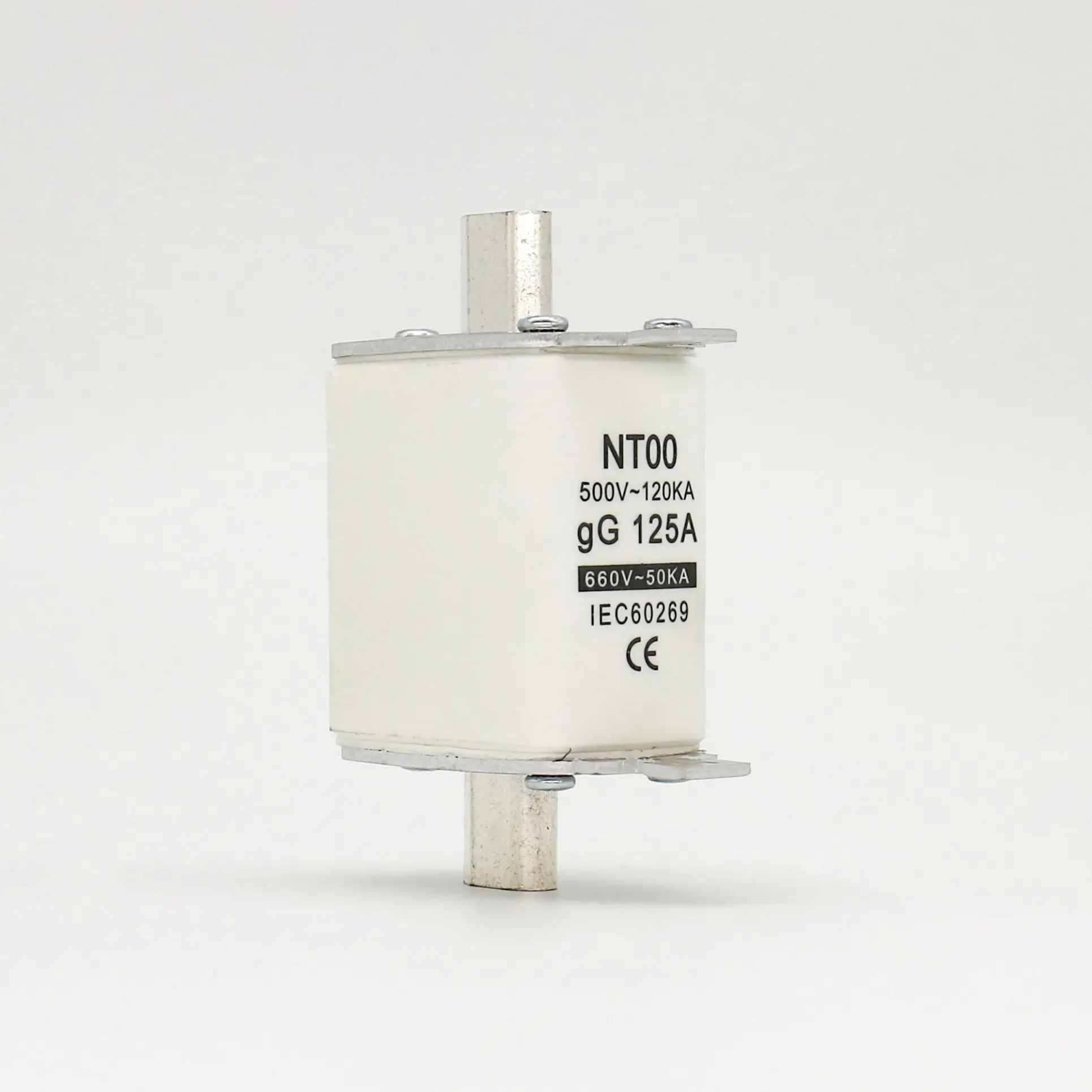
To comprehend how safety devices safeguard electrical infrastructure, one must closely examine the underlying mechanics of fuse operation under varying load currents and operational states. At its core, a standardized protective link consists of a precisely calibrated metallic element—often fabricated from silver, copper, or specialized alloys—enclosed within a robust insulating ceramic body and surrounded by high-purity quartz sand. Under normal operating parameters, rated electrical current flows smoothly through the internal element without causing excessive heating or material degradation. However, when current exceeds designed operational thresholds, the physical and chemical characteristics of the metallic alloy dictate how the component reacts. Proper fuse operation depends heavily on precise calibration, excellent thermal endurance, and rapid response characteristics. The engineering design must account for ambient operating temperatures, thermal dissipation rates, and the precise melting point of the element to ensure consistent and reliable performance during unexpected grid fluctuations.
How Overload Protection Prevents Sustained Thermal Damage
An overload condition occurs when an electrical circuit draws significantly more current than it is rated to handle for an extended period, often resulting from connected machinery drawing excessive power, overloaded distribution branches, or minor system imbalances. Effective overload protection requires inverse-time characteristics, meaning that the higher the current exceeds the rated threshold, the faster the protective device responds to clear the anomaly. In a typical fuse link protection setup, a sustained moderate overcurrent generates gradual Joule heat within the metallic element. Because this thermal energy accumulates faster than it can dissipate into the surrounding environment, a specific constricted section of the element reaches its melting temperature. This gradual thermal melting safely interrupts the circuit before the prolonged heat can degrade wire insulation, melt cable jacketing, or cause catastrophic electrical fires within building infrastructure. Consistent overload protection remains a vital cornerstone of modern facility safety management.
The Critical Role of Short-Circuit Protection During Fault Events
While overloads involve moderate current increases developing over time, short-circuit faults represent extreme, high-magnitude current surges that occur almost instantaneously due to direct phase-to-phase contact or equipment insulation failure. Rapid short-circuit protection is essential to prevent severe mechanical deformation, violent electromagnetic stress, and explosive arc flashes within distribution switchboards and control panels. When a massive fault current surges through a standard fuse link, the extreme energy release causes the entire calibrated element to vaporize within milliseconds. The surrounding high-purity quartz sand acts as an exceptionally effective arc-extinguishing medium, absorbing thermal energy, cooling the plasma, and quenching the electrical arc cleanly. This instantaneous mechanical interruption halts the fault current before catastrophic electromagnetic forces can tear apart busbars or destroy sensitive downstream electronic instrumentation, proving that dependable short-circuit protection is indispensable for industrial plants.
Engineering Precision, Coordination, and Maintenance in Modern Circuit Design
Achieving reliable dual-function safety performance requires strict adherence to international manufacturing standards, precise material selection, and rigorous laboratory testing protocols. Engineers at ZHNYU ELECTRIC emphasize that selecting appropriate current ratings, voltage thresholds, and breaking capacities is vital for achieving proper selectivity and coordination with upstream circuit breakers. Furthermore, facility managers and maintenance technicians must periodically inspect fuse holders and contact terminals for signs of environmental oxidation or thermal degradation, which can introduce unwanted contact resistance and alter performance curves. By combining high-grade manufacturing practices with diligent operational oversight, electrical professionals can ensure that protective installations maintain optimal sensitivity, delivering dependable, long-term performance across demanding industrial and commercial environments.
Ensuring Long-Term Reliability and System Safety
The ongoing evolution of global power distribution networks demands continuous innovation in manufacturing quality and engineering design for all protective components. Whether safeguarding a commercial complex or managing an industrial facility, the primary objective of any advanced installation remains protecting human lives, structural property, and sensitive electronic investments from unforeseen electrical hazards. By prioritizing rigorous testing protocols and precise material selection, ZHNYU ELECTRIC delivers protective components that meet the demanding requirements of international markets. Ultimately, mastering the dual functions of thermal interruption and fault clearance empowers engineers, electricians, and facility operators to make informed decisions, reinforcing electrical safety and ensuring resilient energy distribution for years to come.