
 EN

Why is a load break switch essential for transformer protection?
Time : 2026-09-18
Fundamental Value of Load Break Switches in Medium Voltage Systems
Medium voltage power distribution systems rely on layered hardware configurations to maintain stable transformer operation and overall grid safety. Most design practitioners prioritize relays and fuses for transformer protection, as these devices handle fault monitoring and emergency current interruption. Even so, modern power system engineering verifies that these components cannot cover all operational scenarios required for full transformer safeguarding. Real-world system commissioning and long-term grid operation observation confirm that most persistent transformer insulation issues arise from unregulated switching transients during daily operation, rather than extreme grid faults. In line with IEC 62271-103 international electrical standards, a standard load break switch delivers standardized medium voltage switching capabilities that bridge the functional gap between basic isolating switches and industrial circuit breakers. It provides stable, repeatable load current switching and reliable mechanical isolation, building a foundational safety layer that stabilizes transformer operating conditions across long service cycles.
Professional Arc Control Avoids Cumulative Transformer Insulation Damage
Switching arc generation is an unavoidable physical phenomenon during medium voltage switching procedures. Uncontrolled arc activity creates transient voltage fluctuations that impact internal transformer winding structures, gradually weakening insulation performance over thousands of operation cycles. This cumulative structural degradation often remains undetected until unexpected system tripping or equipment failure occurs. Unlike basic isolation devices that lack arc suppression structures, a qualified load break switch integrates specialized arc-quenching chambers and optimized contact layouts. This mature mechanical design rapidly contains and dissipates switching arcs, stabilizing voltage output at every make-and-break operation. By eliminating irregular voltage surges at the switching point, the device isolates transient electrical disturbances away from transformer core components. This consistent arc management maintains stable insulation conditions, supporting long-term structural integrity for medium voltage transformers in general distribution systems.
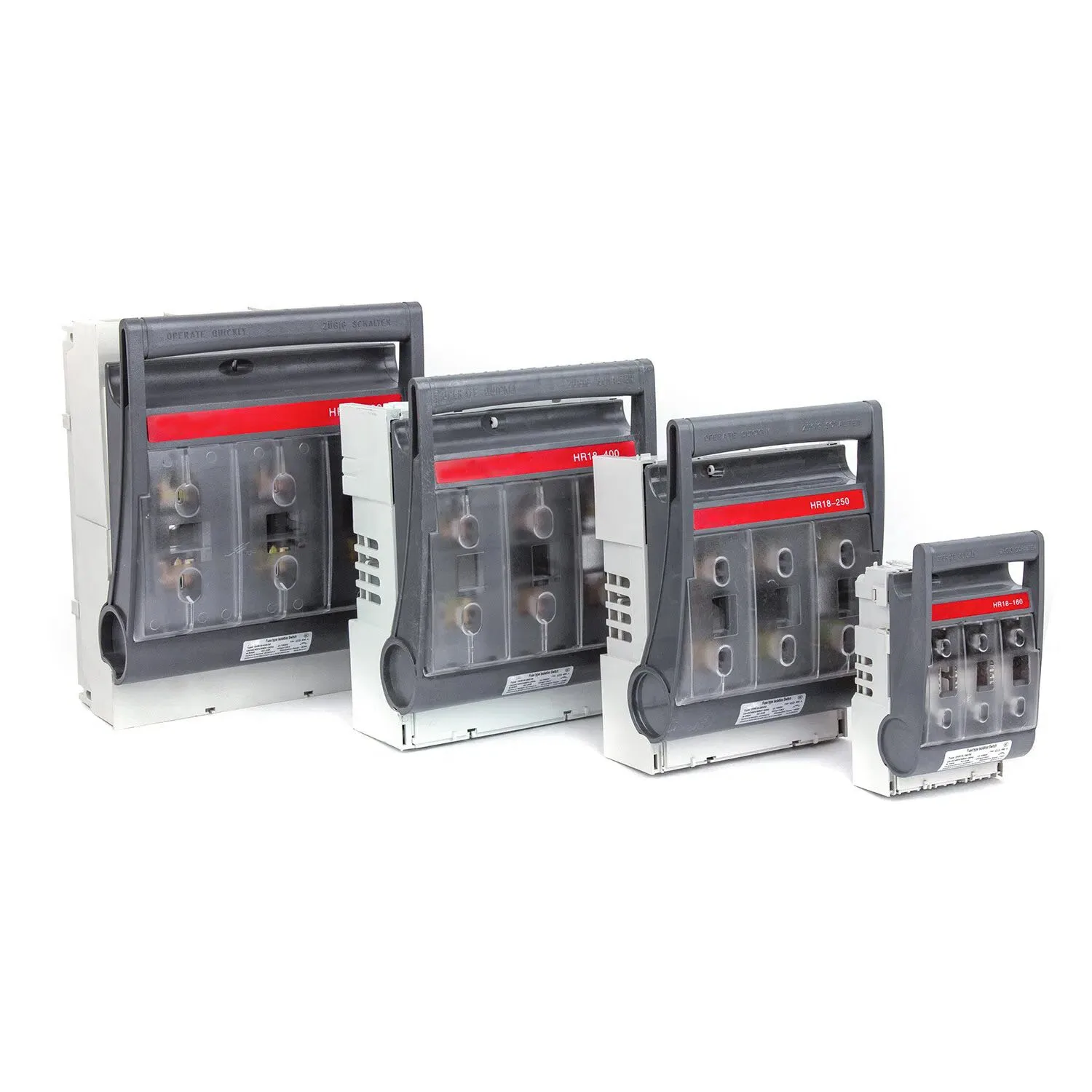
Coordinated Hardware Collaboration Builds Complete Protection Logic
Trusted transformer protection systems always adopt multi-device collaborative frameworks instead of single-component reliance. In standard medium voltage distribution configurations, fuses focus on short-circuit fault clearance, while electronic relays provide real-time system status monitoring and signal feedback. The load break switch complements these devices by undertaking daily load switching and post-fault mechanical isolation. When fuses activate to clear abnormal current, the internal mechanical linkage of the load break switch triggers synchronous three-phase opening. This full-phase isolation eliminates partial power residue in transformer circuits, a common system state that causes ferroresonance and internal core saturation. Without this supporting medium voltage switching function, traditional fuse-based protection leaves structural loopholes in system safety. The coordinated operation of multiple hardware types standardizes system response logic and greatly improves the overall stability of transformer protection architectures.
Visible Mechanical Isolation Standardizes Maintenance Safety Specifications
Comprehensive transformer protection includes operational fault prevention and standardized maintenance safety management throughout the equipment lifecycle. A large proportion of electrical safety risks during equipment servicing stem from unobservable contact status and hidden residual voltage inside enclosed switchgear. A core advantage of the load break switch is its open structural design, which creates a clear physical air gap after full opening. This visible isolation state provides intuitive and verifiable circuit power-off confirmation, fully conforming to international lockout-tagout operational standards. Maintenance personnel can accurately judge system status before conducting inspection, testing, and equipment maintenance work. This transparent mechanical state eliminates operational ambiguity and effectively avoids equipment damage caused by human error, forming an essential guarantee for long-term transformer safety and stable grid operation.
Reasonable Structural Design Optimizes Overall System Configuration
Practical medium voltage system design pursues reasonable configuration matching that adapts to conventional grid operation characteristics. Excessively complex switching equipment brings redundant structural design and increases overall system configuration complexity. The load break switch adopts a simplified and mature mechanical structure with high-strength insulating materials and stable conductive components. Free from overly sophisticated electronic modules, the device maintains stable adaptive performance in diverse conventional operating environments. Its targeted functional positioning precisely matches daily medium voltage switching and transformer protection requirements. This reasonable design avoids over-configuration of high-specification breaker equipment, realizing scientific matching of system functions and actual application needs. It helps build standardized, concise, and highly reliable medium voltage distribution systems for universal power distribution scenarios.
Standardized Production Quality Ensures Stable Global Application
Consistent and reliable medium voltage switching performance depends on standardized manufacturing specifications and rigorous quality inspection systems. As a professional low and medium voltage electrical equipment manufacturer with decades of industry experience, ZHNYU strictly follows international electrical standards and global grid application norms for all switching products. Every load break switch undergoes complete mechanical performance testing, insulation verification, and arc suppression capability detection during the production process. Supported by standardized production workflows, complete manufacturing equipment, and a mature global supply system, ZHNYU delivers highly consistent medium voltage switching products for global power distribution projects. Strict whole-process quality control ensures stable and reliable operating performance in various grid environments, providing solid and standardized hardware support for global transformer protection system configurations.