
 EN

How to select the correct load break switch for your industrial application?
Understanding the Fundamental Role of a Load Break Switch
In modern power distribution networks, ensuring the safe interruption and establishment of electrical circuits under normal operating conditions is critical for facility protection. A load break switch serves as a specialized mechanical switching device capable of making, carrying, and breaking currents under normal circuit conditions, which may include specified operating overload conditions, as well as carrying currents for a specified abnormal circuit duration such as those of short-circuit conditions. Unlike simple disconnectors or isolators, which are strictly designed to open a circuit only when negligible current is flowing, a load break switch is engineered with sophisticated arc-extinguishing capabilities. This core functionality makes it an indispensable asset in medium and low-voltage power distribution systems, substations, and industrial manufacturing plants. When engineers approach electrical system design, understanding the exact operational boundary of a load break switch helps prevent catastrophic equipment failures and unplanned facility downtime. Field engineering experience demonstrates that integrating a high-quality load break switch into a primary distribution panel significantly minimizes arc flash hazards and enhances overall system reliability. Manufacturers like ZHNYU ELECTRIC design these components with robust mechanical interlocks to prevent erroneous operations, thereby safeguarding maintenance personnel during routine service procedures. Proper load break switch deployment ensures that routine maintenance can be executed safely without necessitating total plant shutdowns, optimizing operational continuity across heavy industrial sectors.
Key Electrical Parameters for Electrical Switchgear Selection
The foundation of successful electrical switchgear selection relies heavily on a thorough analysis of electrical parameters matching the specific demands of the industrial environment. Selecting inappropriate switchgear components can lead to thermal degradation, insulation breakdown, and catastrophic failure under fault conditions. Engineers must meticulously evaluate several critical ratings, including rated operational voltage, continuous current rating, short-time withstand current, and peak withstand current. For instance, the rated voltage of the system must align precisely with the dielectric withstand capabilities of the switchgear enclosure and internal components. During the electrical switchgear selection process, factoring in prospective fault levels is equally vital, as the switchgear must endure mechanical and thermal stresses during transient short-circuit events until upstream protective devices clear the fault. Furthermore, operational frequency and duty cycles dictate whether the switch requires frequent mechanical switching or acts primarily as an isolation and load-interrupting device during scheduled outages. Industrial facilities dealing with heavy inductive loads, such as large motor drives or transformer banks, must also account for transient recovery voltages and switching overvoltages. Consulting technical specifications provided by established manufacturers like ZHNYU ELECTRIC allows electrical planners to cross-reference system requirements with certified test reports, ensuring that every installed component operates comfortably within its specified safety margins and thermal limits.
Navigating Industrial Load Break Switch Selection Criteria
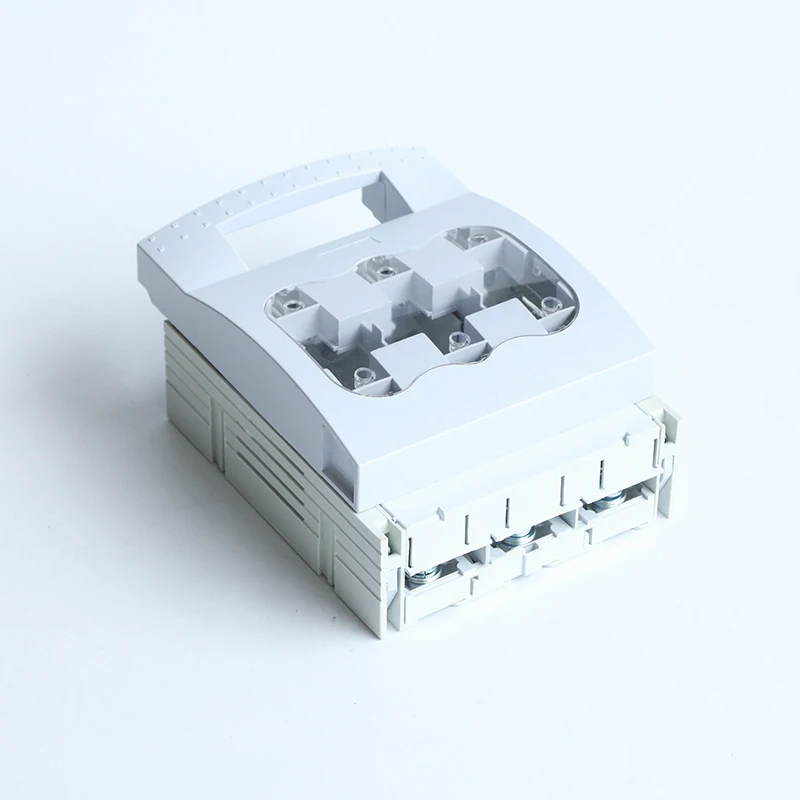
Deploying an industrial load break switch requires a granular focus on mechanical endurance, electrical life cycles, and arc-extinguishing technology. Industrial settings are notoriously demanding, often characterized by continuous operation, vibrational stress, and exposure to airborne contaminants. When executing load break switch selection, project planners need to examine the type of arc-extinguishing medium utilized within the switching chamber. Common technologies include SF6 gas insulation, vacuum interrupters, and advanced air-break systems, each offering distinct advantages regarding maintenance frequency, environmental footprint, and physical footprint size. Vacuum interrupters, for example, provide exceptional reliability and minimal maintenance requirements due to the rapid dielectric recovery of the vacuum arc quenching medium. Additionally, operating mechanisms—whether manual spring-operated, motor-driven, or stored-energy trip mechanisms—must be selected based on the speed of operation required. Independent manual operation ensures that the closing and opening speed is independent of the operator's physical action, thereby preventing partial contact closures that can trigger dangerous electrical arcing. ZHNYU ELECTRIC incorporates precision-engineered operating mechanisms into its industrial load break switch portfolio, ensuring rapid contact separation and consistent arc interruption across thousands of mechanical cycles. Reviewing operational test data and mechanical endurance classes defined in international standards helps facility managers select switches that match the expected lifespan of the broader electrical infrastructure.
Evaluating Environmental Factors and Installation Conditions
Beyond electrical ratings and mechanical capabilities, environmental conditions play a decisive role in determining the long-term performance and safety of electrical distribution equipment. Industrial facilities frequently operate in challenging atmospheres marked by high humidity, extreme ambient temperatures, corrosive chemical fumes, and heavy dust accumulation. A reliable load break switch must be housed within an enclosure featuring appropriate ingress protection (IP ratings) to prevent moisture and particulate ingress that could compromise internal insulation. Altitude is another critical environmental factor; as altitude increases, air density decreases, reducing both the dielectric strength of the air and the cooling efficiency of the equipment. Consequently, de-rating factors must be applied during the load break switch selection phase if the installation site sits significantly above sea level. Temperature extremes also dictate the choice of insulating materials and lubricants utilized within the switch mechanism to prevent freezing or thermal degradation. Field audits conducted by electrical safety experts frequently highlight premature failures caused by neglected environmental variables during the initial design phase. By partnering with experienced manufacturers like ZHNYU ELECTRIC, project engineers gain access to comprehensive environmental correction charts and custom enclosure options designed to withstand corrosive coastal environments, dusty mining operations, and extreme temperature fluctuations, ensuring uninterrupted performance throughout the operational lifecycle.
Compliance with Standards and Quality Assurance
Ensuring absolute trustworthiness and safety in industrial electrical installations mandates strict adherence to internationally recognized standards and rigorous quality assurance protocols. International electrotechnical standards, such as those established by the International Electrotechnical Commission (IEC 62271 series) and the Institute of Electrical and Electronics Engineers (IEEE), provide rigorous benchmarks for design, testing, and operational performance. Authoritative testing laboratories evaluate load break switch prototypes through rigorous type tests, including temperature rise tests, dielectric tests, short-circuit making and breaking capacity tests, and mechanical endurance tests. These standardized evaluations guarantee that the equipment can withstand the harshest foreseeable operating conditions without risking operator safety or system integrity. Transparent quality control procedures, from raw material inspection to final routine testing on the assembly line, are hallmarks of reputable manufacturing. ZHNYU ELECTRIC adheres strictly to these international standards, implementing rigorous internal quality management systems and third-party verification to ensure every product delivered meets the highest levels of safety and reliability. For industrial facility managers and electrical contractors, selecting certified equipment not only fulfills regulatory compliance requirements but also provides enduring peace of mind, knowing that their power distribution architecture is fortified with components engineered for excellence, longevity, and uncompromised safety.