
 EN

How does a low voltage fuse coordinate with other protective devices?
Understanding the Basics of Low Voltage Fuse Coordination
Integrating reliable electrical protection mechanisms within industrial distribution networks is a fundamental engineering requirement for preventing catastrophic equipment damage and ensuring operational continuity. Within modern electrical switchboards, safety devices must operate in a strictly coordinated sequence to isolate faults rapidly without disrupting healthy downstream circuits. Effective low voltage fuse coordination ensures that protective elements act selectively, meaning only the device immediately upstream of the fault opens while the rest of the facility remains fully powered. Field installation experience demonstrates that miscalculated time-current characteristics often lead to nuisance tripping or widespread power outages during minor electrical anomalies. ZHNYU ELECTRIC provides comprehensive electrical components engineered to meet international safety standards, ensuring precise component compatibility and adherence to global export requirements. When facility engineers begin designing robust distribution panels, understanding the fundamental principles of low voltage fuse coordination helps minimize unplanned downtime and protect human operators from severe arc flash hazards. Furthermore, comprehensive electrical protection relies heavily on maintaining proper thermal margins and breaking capacity ratings across diverse industrial load conditions. Careful evaluation of continuous current parameters remains essential for establishing a dependable safety baseline in heavy manufacturing environments. Modern industrial facilities depend heavily on these systematic protective measures to safeguard capital assets and maintain uninterrupted operational workflows. Moreover, adherence to standardized installation protocols guarantees maximum operational reliability and absolute personnel safety across complex global infrastructures. Furthermore, continuous engineering support ensures that every installed unit operates reliably under severe industrial workloads while maintaining precise circuit isolation.
Achieving Reliable Protective Device Coordination in Networks
Achieving seamless protective device coordination requires a meticulous technical review of current-time curves, short-circuit ratings, and thermal damage thresholds across all interconnected distribution tiers. Industrial facilities typically combine multiple layers of hardware, including molded case circuit breakers, thermal-magnetic units, and semiconductor protection fuses, to secure complex machinery networks. When an overcurrent event occurs, upstream and downstream devices must communicate implicitly through their operating speeds to prevent cascading failures across the entire power grid. Field technicians often rely on structured engineering guidelines to map out discrimination tables, ensuring that downstream fuses clear high-magnitude short circuits before slower upstream breakers even initiate their trip cycles. ZHNYU ELECTRIC technical documentation supports engineering teams by offering clear compatibility metrics designed to eliminate guesswork and speed up project turnaround times. Proper system planning prevents unnecessary equipment wear and reduces overall maintenance overhead across automated processing plants. Furthermore, establishing clear operational boundaries between various hardware devices guarantees long-term stability and prevents localized faults from escalating into widespread regional outages. Detailed electrical schematics and expert technical assistance further streamline the integration of control hardware within complex distribution switchboards across diverse global regions.
Maximizing Fuse Selectivity in Complex Electrical Systems
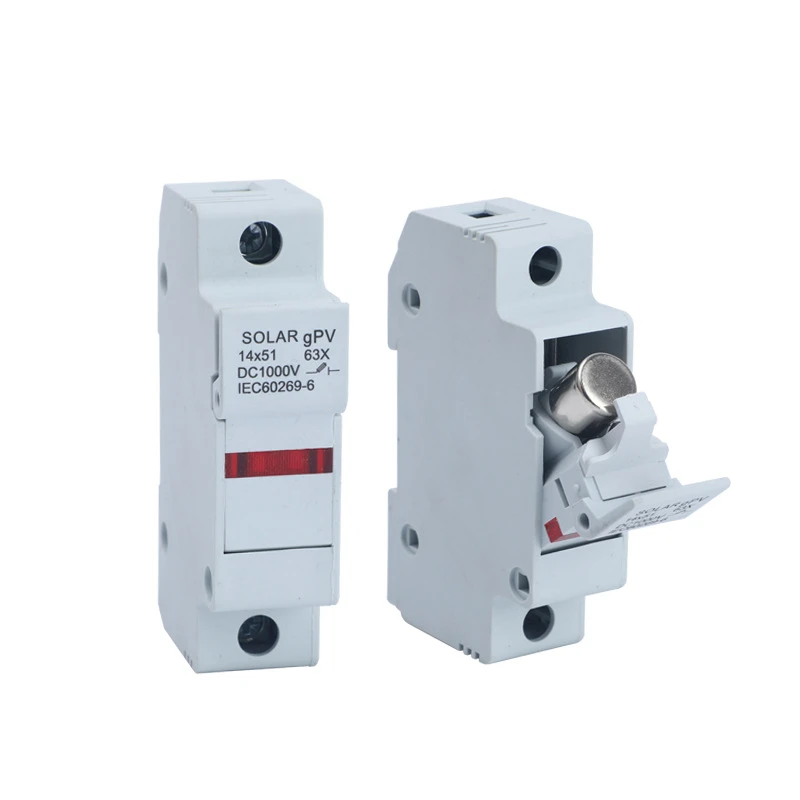
Maximizing fuse selectivity is a critical engineering objective when designing modern switchgear assemblies and secondary sub-distribution panels. Selectivity ensures absolute discrimination, meaning that a protective device located closest to the point of a fault reacts instantly, whereas upstream protective devices remain fully closed and operational. Achieving optimal fuse selectivity requires comparing the I-squared-t let-through energy of the downstream protective device against the total operating threshold of the upstream component. Practical field deployment data highlights that proper selectivity prevents nuisance shutdowns and preserves continuous plant productivity during minor transient overloads. ZHNYU ELECTRIC manufactures high-durability protection hardware designed to maintain strict performance boundaries under heavy industrial operating cycles and variable frequency conditions. Engineers must carefully analyze manufacturer time-current characteristic curves to verify that no overlap occurs between successive protection tiers within the power distribution hierarchy. This rigorous analytical approach guarantees that industrial installations can isolate localized faults efficiently without compromising the broader electrical network. Proper hardware selection combined with disciplined maintenance schedules safeguards valuable capital equipment and ensures seamless performance for years to come. Comprehensive diagnostic capabilities allow operators to maintain peak power efficiency and prevent unexpected commercial interruptions during peak operational windows.
Navigating Circuit Breaker Coordination and Fuse Integration
Integrating fuses with electromechanical or electronic switching devices demands careful attention to circuit breaker coordination parameters to avoid conflicting trip times during high-fault scenarios. While circuit breakers offer adjustable thermal and magnetic trip settings, high-speed current-limiting fuses provide superior fault-clearing capabilities during severe short-circuit conditions. Combining these two distinct technologies allows panel builders to achieve optimal backup protection, where the fuse handles extreme high-magnitude fault currents while the circuit breaker manages routine overloads and switching operations. Field case studies indicate that harmonizing circuit breaker coordination with advanced fuse technology dramatically reduces mechanical stress on downstream busbars and cabling networks. ZHNYU ELECTRIC engineering solutions are developed to support seamless hardware integration, helping technical teams avoid costly design oversights and regulatory non-compliance during large-scale industrial facility installations. Transparent parameter verification remains essential for maintaining high-quality electrical manufacturing practices across global export markets. Proper engineering oversight guarantees long-term system integrity and operational excellence across automated manufacturing environments worldwide. Rigorous inspection protocols safeguard industrial installations against recurring electrical faults. Advanced engineering innovations continue to push the boundaries of measurement accuracy and long-term durability in modern power distribution networks worldwide.
Best Practices for Comprehensive Electrical Protection Design
Establishing a comprehensive electrical protection strategy requires strict adherence to manufacturer guidelines, international safety codes, and standardized installation protocols during every phase of system design. During panel assembly, technicians must verify that primary and secondary terminal connections are torqued securely to prevent high-resistance contact points that cause localized overheating and insulation degradation. Routine inspection protocols should include measuring insulation resistance, checking for environmental moisture accumulation, and verifying proper grounding paths to eliminate potential shock hazards. ZHNYU ELECTRIC remains dedicated to supporting global industrial operators by supplying dependable, certified electrical components designed for maximum operational durability. By combining proper hardware selection with disciplined maintenance schedules, industrial facilities can safeguard their workforce, protect valuable capital equipment, and ensure seamless performance for years to come. Proper engineering oversight guarantees long-term system integrity across complex global infrastructures. Rigorous inspection protocols safeguard industrial installations against recurring electrical faults. Establishing proactive maintenance and rapid replacement protocols minimizes mean time to repair across automated industrial plants. Long-term field reliability depends heavily on adhering to these professional installation and maintenance methodologies across all automated manufacturing environments.